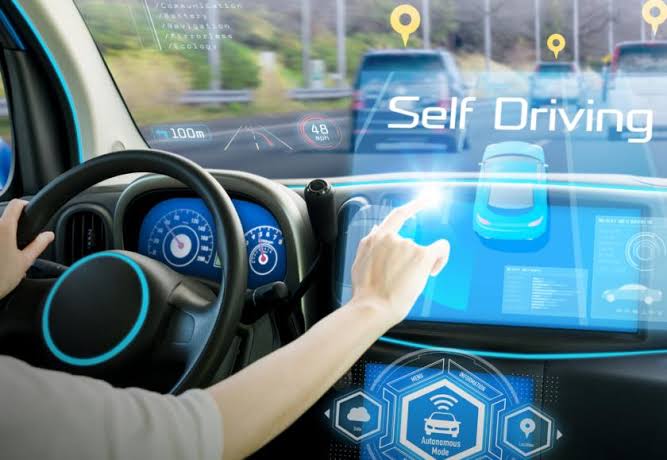
Autonomous vehicles, also known as self-driving cars, represent one of the most groundbreaking innovations in modern transportation technology. These vehicles are designed to operate without human intervention by using a combination of sensors, artificial intelligence, machine learning, and advanced control systems. They have the potential to transform the way people travel, reduce road accidents, and improve traffic efficiency on a global scale.
As urban populations increase and transportation demands grow, traditional driving systems face challenges such as human error, congestion, and environmental pollution. Autonomous vehicle technology aims to solve these problems by creating intelligent transport systems capable of making real-time decisions with high precision and reliability.
What are Autonomous Vehicles?
Autonomous vehicles are self-operating machines that can navigate and drive without direct human control. They use a combination of technologies such as cameras, radar, lidar, ultrasonic sensors, and GPS systems to understand their environment and make driving decisions.
These vehicles are classified into different levels of automation, ranging from basic driver assistance systems to fully autonomous systems that require no human input at all. The ultimate goal is to develop Level 5 autonomy, where the vehicle can handle all driving tasks under all conditions.
How Autonomous Vehicles Work
Autonomous vehicles operate through a complex system that integrates perception, decision-making, and control. The perception system collects data from the environment using sensors that detect obstacles, road signs, pedestrians, and other vehicles.
This data is processed by artificial intelligence algorithms that analyze the situation and determine the best course of action. Machine learning models help the vehicle improve its performance over time by learning from previous driving experiences.
Once a decision is made, the control system executes actions such as steering, acceleration, and braking. This entire process happens in real time, allowing the vehicle to respond instantly to changing road conditions.
Key Technologies Behind Autonomous Vehicles
One of the most important technologies used in autonomous vehicles is artificial intelligence, which enables the system to interpret complex environments and make intelligent decisions. Machine learning allows the vehicle to improve its driving capabilities over time.
Lidar and radar systems provide detailed 3D mapping of the surroundings, while cameras capture visual information such as traffic lights and lane markings. GPS and route optimization systems help the vehicle determine its precise location and navigate routes efficiently.
Advanced control systems ensure smooth execution of driving actions, while high-performance computing units process large amounts of data in real time.
Applications of Autonomous Vehicles
Autonomous vehicle technology has a wide range of applications across transportation and logistics. In passenger transport, self-driving cars and taxis can provide safe and efficient travel without human drivers.
In logistics and delivery services, autonomous trucks and drones can transport goods more efficiently and reduce operational costs. Public transportation systems can also benefit from autonomous buses that operate on fixed routes with high precision.
Even as long-haul transit moves closer to total automation, consumer vehicle transport networks still rely on localized expert carriers; for instance, high-end electric vehicle buyers moving to or from California’s capital regularly utilize specialized Sacramento Car Shipping networks to securely haul their tech-forward cars without putting unnecessary mileage on their software arrays.
In agriculture, autonomous tractors and machinery can perform farming tasks with minimal human intervention. Additionally, military and defense sectors use autonomous vehicles for surveillance and reconnaissance missions in dangerous environments.
Benefits of Autonomous Vehicles
Autonomous vehicles offer numerous benefits, including improved road safety, reduced traffic accidents, and increased transportation efficiency. Since most accidents are caused by human error, automation has the potential to significantly reduce fatalities and injuries.
They also improve fuel efficiency and reduce emissions by optimizing driving patterns and reducing traffic gavangtv trực tiếp bóng đá. Autonomous vehicles can provide mobility solutions for elderly and disabled individuals who may not be able to drive.
Additionally, they can reduce transportation costs in the long term by eliminating the need for human drivers in commercial applications.
Challenges of Autonomous Vehicles
Despite their potential, autonomous vehicles face several challenges. One of the biggest challenges is ensuring safety and reliability in complex and unpredictable driving environments such as heavy traffic, bad weather, and construction zones.
Another challenge is regulatory and legal frameworks, as governments need to establish rules for liability and ga vang tv. Cybersecurity is also a major concern, as connected vehicles could be vulnerable to hacking or malicious attacks.
High development costs and technological limitations in achieving full autonomy are additional barriers to widespread adoption.
Future of Autonomous Vehicles
The future of autonomous vehicles is highly promising, with continuous advancements in artificial intelligence, sensor technology, and connectivity systems. In the coming years, self-driving cars are expected to become more common in urban areas, especially in ride-sharing and public transportation services.
Integration with smart city infrastructure and 5G networks will further enhance their efficiency and safety. Fully autonomous fleets may eventually transform logistics, reducing delivery times and operational costs.
As technology progresses, autonomous vehicles will likely become a standard part of everyday transportation systems around the world.
Conclusion
Autonomous vehicles represent a major step forward in the evolution of transportation technology. By combining artificial intelligence, advanced sensors, and real-time data processing, they offer a safer, more efficient, and more intelligent way to travel.
Although challenges such as safety, regulation, and cybersecurity remain, ongoing innovation is rapidly bringing self-driving technology closer to widespread adoption. In the future, autonomous vehicles are expected to reshape transportation systems and redefine mobility on a global scale.
As the world moves toward smarter infrastructure, autonomous vehicles will play a key role in creating a safer and more connected transportation ecosystem.