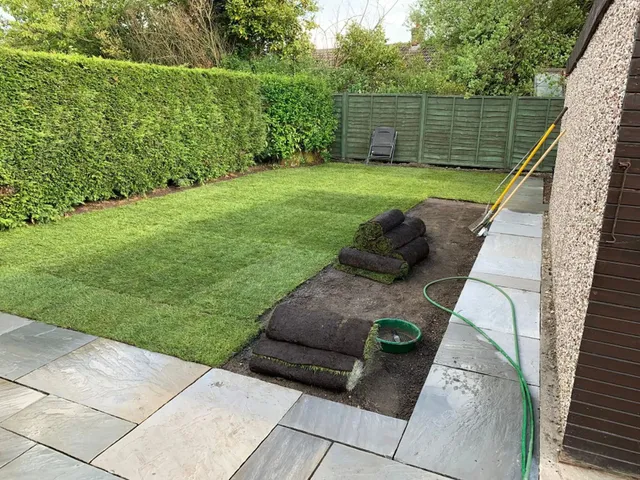
Wollongong’s coastal climate and fertile soils make it an excellent region for establishing a lush, healthy lawn. With warm summers, mild winters, and moderate rainfall throughout the year, the Illawarra supports a wide range of grass species. Choosing the right turf variety for your property is one of the most important decisions you can make for your outdoor space.
Understanding your Wollongong garden conditions
Before selecting a turf variety, it helps to assess the specific conditions of your property. The amount of sunlight your garden receives each day, the type of soil you have, how freely it drains, and the level of foot traffic your lawn will endure all play a role in determining which grass will perform best over the long term.
Working with a local supplier who understands regional growing conditions simplifies the selection process considerably. Accessing quality turf supplies in Wollongong from a provider with knowledge of Illawarra soils, local rainfall patterns, and seasonal variation gives you a much stronger foundation for making an informed decision about your new lawn.
Soil preparation is often the most underestimated step in establishing a successful lawn. Good soil structure, appropriate pH levels, and sufficient organic matter support healthy root development and faster establishment. Testing your soil before laying turf allows you to identify any deficiencies and address them with targeted amendments before the grass goes down.
Warm-season grasses that perform well in the Illawarra
Buffalo grass varieties are among the most widely used in Wollongong gardens, valued for their broad leaf, rich green colour, and reasonable shade tolerance. Several improved cultivars now offer softer leaf texture and better drought resistance than older varieties. Buffalo performs reliably in gardens that receive a mix of direct sun and partial shade throughout the day.
Kikuyu is a vigorous warm-season grass known for rapid establishment and strong recovery from heavy use. Its aggressive growth habit makes it well suited to gardens with children or pets. The main management consideration with kikuyu is its tendency to spread beyond lawn edges into adjacent garden beds, which requires consistent edging to keep it contained.
Couch grass offers a fine texture and dense, carpet-like appearance when maintained properly, making it a popular choice across the Illawarra. It thrives in full sun and develops good drought tolerance once established. Couch is best suited to open, sunny gardens, as it tends to thin out in areas that receive less than four hours of direct sunlight each day.
Zoysia varieties are attracting attention for their slow growth habit and low maintenance requirements. Zoysia requires less frequent mowing than kikuyu or couch and holds its colour reasonably well through cooler months. Its fine, dense texture gives it a neat, manicured appearance that suits formal garden designs and properties where a polished look is a priority.
Shade-tolerant options for challenging areas
Not every garden receives uniform sunlight, and deeply shaded areas present a real challenge for most grass species. Soft leaf buffalo is generally the best-performing warm-season option for shadier spots, though even the most shade-tolerant turf varieties require a minimum of three to four hours of direct sunlight daily to remain healthy and avoid deteriorating over time.
Established trees are a common source of shade in Wollongong gardens and introduce an additional challenge in the form of surface roots that compete with turf for moisture and nutrients. Improving soil depth and incorporating quality organic matter before laying turf can help in these situations, though some areas may ultimately be better served by ground covers or mulched garden beds.
Homeowners planning a lawn project often take the opportunity to consider other property improvements at the same time. For those in the wider coastal region, exploring options such as solar power Shoalhaven installations can be a worthwhile way to reduce energy costs while the property is already undergoing broader improvements and landscaping work.
Ground preparation before laying turf
Thorough ground preparation before laying turf pays dividends through faster establishment and a more even result. This involves removing all existing vegetation, breaking up compacted soil to a depth of at least ten centimetres, and incorporating a quality lawn starter fertiliser. Skipping these steps often results in uneven growth, poor colour, and significantly higher maintenance requirements in the months that follow.
Levelling the ground before laying turf ensures that water drains evenly across the surface and that mowing will be straightforward once the lawn is established. A gentle slope away from the house is ideal for directing water away from structural foundations. Leaving low spots or hollows allows water to pool, which can lead to disease and anaerobic root conditions.
Fertilising the prepared ground before laying turf gives the new lawn an immediate nutrient boost to support rapid root development. A slow-release starter fertiliser incorporated into the top layer of soil is generally recommended. Applying high-nitrogen fertilisers at this stage can burn new roots, so choosing a product specifically designed for new turf establishment is important.
Caring for a new lawn after installation
The first six to eight weeks after laying turf are the most critical period for establishment. Consistent watering during this time is essential, particularly in warm weather, as the roots need to bond with the underlying soil before the grass can support itself. Watering in the early morning allows moisture to penetrate deeply before the heat of the day accelerates evaporation.
Avoid mowing a new lawn until it has rooted sufficiently into the soil, which you can test by gently pulling a small section of turf. Once rooted, begin mowing at a higher setting than your normal cutting height and lower it gradually over several sessions. This approach encourages deeper root development and produces a more resilient, durable lawn over time.
Long-term lawn health depends on a consistent maintenance routine that includes fertilising two to three times per year, aerating annually to relieve compaction, and topdressing every one to two years to maintain an even surface. Keeping up with these tasks prevents many of the common problems that cause established lawns to deteriorate and become difficult to manage.
A well-established lawn adds genuine value to a Wollongong property, both aesthetically and practically. By selecting the right variety for your local conditions, preparing the ground thoroughly, and following a sound maintenance routine, you can enjoy a lush, durable lawn that performs consistently through every season and meets the demands of everyday family life without excessive ongoing effort.