
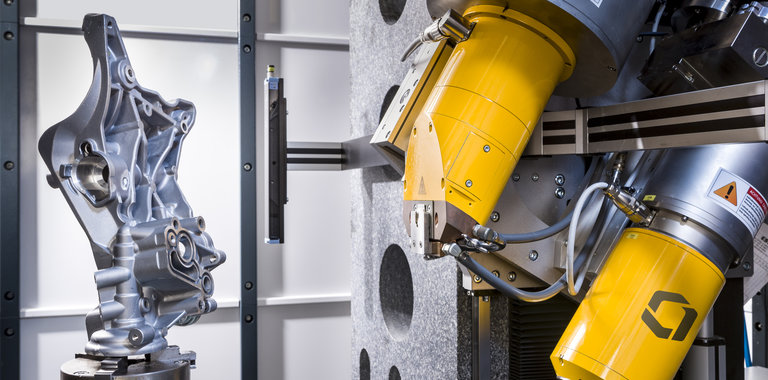
Modern imaging technology depends heavily on electrical precision. These systems are responsible for delivering controlled electrical energy to the X-ray tube, where X-ray high voltage generators play a fundamental role in ensuring stable, accurate, and high-quality diagnostic output across a wide range of medical and industrial applications.
As imaging requirements continue to evolve, X-ray systems are expected to deliver faster results, higher clarity, and greater reliability. High voltage technology supports these expectations by maintaining stable power delivery, reducing fluctuations, and ensuring that imaging performance remains consistent even during continuous operation.
The Function of High Voltage in X-Ray Systems
X-ray imaging works on a simple but highly controlled principle. Electrons are accelerated at high speed and directed toward a target material. When these electrons collide with the target, X-rays are generated. The quality of this process depends directly on the stability of the voltage supplied.
A high voltage generator ensures that this process remains controlled and predictable by regulating:
- Voltage consistency during exposure
- Current flow to the X-ray tube
- Timing of exposure cycles
- Energy stability during operation
Even small variations in voltage can affect image clarity and diagnostic reliability. This makes precise voltage control essential for producing accurate and repeatable imaging results.
Enhancing Image Quality Through Voltage Stability
One of the most important benefits of high voltage systems is improved image quality. Stable voltage ensures that the energy delivered to the X-ray tube remains uniform, which directly impacts the sharpness and clarity of the final image.
Key improvements include:
- Enhanced image sharpness and resolution
- Better contrast between different materials or tissues
- Reduced image noise and distortion
- More consistent diagnostic results
In medical imaging, this allows doctors to identify conditions with greater accuracy. In industrial applications, it helps detect structural defects and material inconsistencies with higher precision.
Role of Precision Control in Modern Systems
Modern high-voltage generators are equipped with advanced control mechanisms that allow real-time adjustments during operation. This ensures that the system maintains optimal performance regardless of workload or environmental changes.
These systems are designed to manage:
- Automatic voltage stabilization
- Dynamic exposure adjustments
- Load balancing across components
- Continuous monitoring of system performance
This level of precision not only improves imaging consistency but also supports long-term system reliability. It reduces wear on components and helps maintain stable operation over extended usage periods.
Efficiency and Operational Performance
Efficiency is a major focus in modern X-ray systems. High-voltage generators are engineered to deliver maximum performance while minimizing energy loss. This contributes to better operational efficiency and reduced system strain.
Some key efficiency improvements include:
- Optimized energy utilization during imaging
- Reduced heat generation inside the system
- Improved long-term operational stability
- Lower maintenance requirements over time
In this context, X-ray high voltage generators are essential for balancing performance with energy efficiency, ensuring that systems remain both powerful and sustainable.
Applications Across Medical and Industrial Fields
High-voltage generators are widely used across different sectors, each requiring specific imaging precision and reliability.
1. Medical Imaging Applications
In healthcare, X-ray systems are used for:
- Radiography
- CT imaging
- Fluoroscopy
These applications demand extremely stable voltage output to ensure accurate diagnosis and patient safety. Even minor inconsistencies can affect medical interpretation, making precision essential.
2. Industrial Imaging Applications
In industrial environments, X-ray systems are used for:
- Material inspection
- Structural analysis
- Quality control in manufacturing
Here, consistency and accuracy are critical for identifying defects, ensuring product reliability, and maintaining safety standards in production processes.
Safety and System Protection Mechanisms
Safety is a core component of modern high-voltage systems. Advanced generators are designed with multiple protective layers that ensure stable and secure operation in all conditions.
These safety mechanisms include:
- Over-voltage protection
- Thermal monitoring systems
- Current limiting controls
- Automatic fault detection
These features help prevent system damage, ensure operator safety, and maintain consistent imaging performance even under demanding conditions.
Integration with Digital Imaging Technology
Modern X-ray systems are no longer standalone devices. They are integrated with digital platforms that enable better control, monitoring, and automation. High-voltage generators are designed to work seamlessly within these systems.
This integration enables:
- Automated exposure control based on imaging needs
- Real-time system diagnostics and monitoring
- Synchronization with digital imaging software
- Adaptive adjustments during scanning procedures
Such integration improves workflow efficiency and ensures that imaging output remains consistent and reliable across different applications.
Technological Advancements in High Voltage Systems
Recent developments in high voltage design have significantly improved performance, compactness, and reliability. Engineers continue to refine these systems to meet the growing demands of modern imaging technology.
Key advancements include:
- Compact and modular generator designs
- Improved insulation materials for enhanced safety
- Digital control interfaces for greater precision
- Faster response systems for real-time adjustments
These improvements allow X-ray systems to operate more efficiently while delivering higher-quality imaging results.
Importance in Modern Imaging Environments
High-voltage generators have become a core part of modern X-ray system performance. They are no longer viewed as supporting components but as essential elements that directly impact imaging quality, system stability, and overall operational efficiency. Their role in maintaining precise and consistent energy delivery helps ensure that imaging systems perform reliably across a wide range of conditions, workloads, and application demands.
In addition to stability, these systems also contribute to improved control over imaging parameters, allowing operators to achieve consistent results even during extended or high-intensity usage. This makes them especially important in environments where accuracy, repeatability, and dependable performance are critical for both medical diagnostics and industrial inspection processes.
Conclusion
High voltage technology plays a vital role in improving the performance of X-ray systems by ensuring stable power delivery, enhancing image quality, and supporting efficient operation. As imaging demands continue to evolve, these systems are becoming more precise, intelligent, and reliable.
VJ X-Ray continues to focus on delivering advanced imaging solutions designed to meet modern diagnostic and inspection needs. With strong engineering expertise and innovation-driven development, the company supports high-performance imaging systems. Their high-voltage generator solution contributes to stable operation and improved imaging accuracy across a wide range of applications.
