
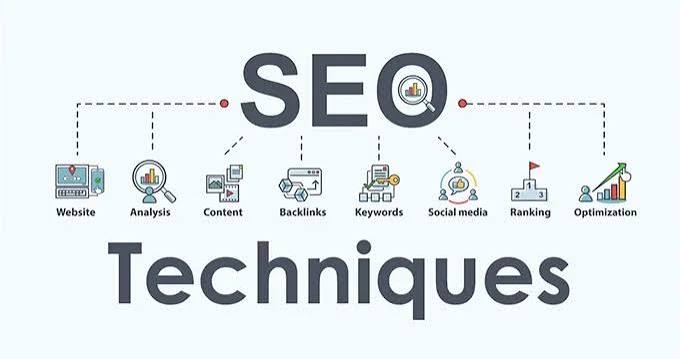
Improving Google rankings is an important goal for businesses and website owners that want to attract more organic traffic. Search engine optimization, or SEO, helps websites become more relevant, accessible, and useful to both search engines and visitors. By applying effective SEO techniques consistently, a website can improve its visibility and create more opportunities to reach its target audience.
Conduct Proper Keyword Research
Keyword research is a fundamental part of SEO. It helps identify the words and phrases people use when searching for information, products, or services. Choose keywords that are relevant to your website and closely match the needs of your target audience.
Use keywords naturally in page titles, headings, URLs, and content. Avoid excessive repetition and focus on providing useful information.
Create High-Quality Content
Google aims to provide users with helpful and relevant results. Creating original and informative content can help a website compete for valuable search queries.
Write articles and webpages that answer common questions, explain topics clearly, and provide practical value. Well-organized content can also encourage visitors to explore more pages on your website.
Optimize Page Titles and Descriptions
Page titles help search engines and users understand the subject of a webpage. Create clear titles that accurately describe the content and include the main topic when appropriate.
Meta descriptions should provide a concise summary of the page and give users a reason to visit. They should accurately represent the information available on the webpage.
Use Proper Headings
Headings help organize content into clear sections. Use a descriptive main heading and relevant subheadings to make longer pages easier to read.
A logical heading structure also helps search engines understand the topics covered on a page.
Improve Website Speed
Page speed is an important part of the overall user experience. Slow websites can frustrate visitors and increase the chance that they leave.
Optimize images, remove unnecessary scripts, improve website code, and use reliable hosting to help pages load efficiently.
Optimize for Mobile Devices
A large portion of internet users browse websites on smartphones. Make sure your website is responsive and easy to use on smaller screens.
Readable text, simple navigation, accessible buttons, and fast loading pages can provide a better mobile experience.
Build Relevant Backlinks
Backlinks from reputable and relevant websites can support a site’s authority. Create useful resources, publish original research, and develop genuine relationships with websites in your industry to encourage natural links.
Avoid focusing only on the number of backlinks. Relevance and quality are more important for a healthy link profile.
Strengthen Internal Linking
Internal links connect related pages within your website. They help users discover additional resources and make it easier for search engines to understand your website structure.
Use natural and descriptive anchor text when linking between related pages.
Optimize Images
Images can improve content quality and make pages more engaging. However, large image files can negatively affect loading speed. Compress images and use suitable formats to keep file sizes manageable.
Descriptive alt text can also provide useful context for images when appropriate.
Fix Technical SEO Issues
Technical SEO involves improving the structure and accessibility of a website. Check for broken links, indexing problems, duplicate pages, incorrect redirects, and other technical issues.
A clean website structure helps search engines crawl and understand your content more efficiently.
Keep Content Fresh
Review important pages regularly and update outdated information, links, statistics, and examples. Updating older content can make it more accurate and useful for visitors.
A website that consistently maintains its important resources can provide greater value to its audience.
Monitor SEO Performance
SEO should be measured using reliable data. Monitor organic traffic, keyword rankings, impressions, clicks, and conversions to understand how your website is performing.
Performance tracking allows website owners to identify opportunities and make informed changes to their SEO strategy.
Conclusion
Effective SEO techniques can help websites work toward higher Google rankings and increased organic traffic. Keyword research, quality content, optimized titles, technical improvements, mobile optimization, internal linking, relevant backlinks, and regular content updates all contribute to a strong SEO foundation. By focusing on users and applying these techniques consistently, businesses can improve their search visibility and build sustainable online growth.
