
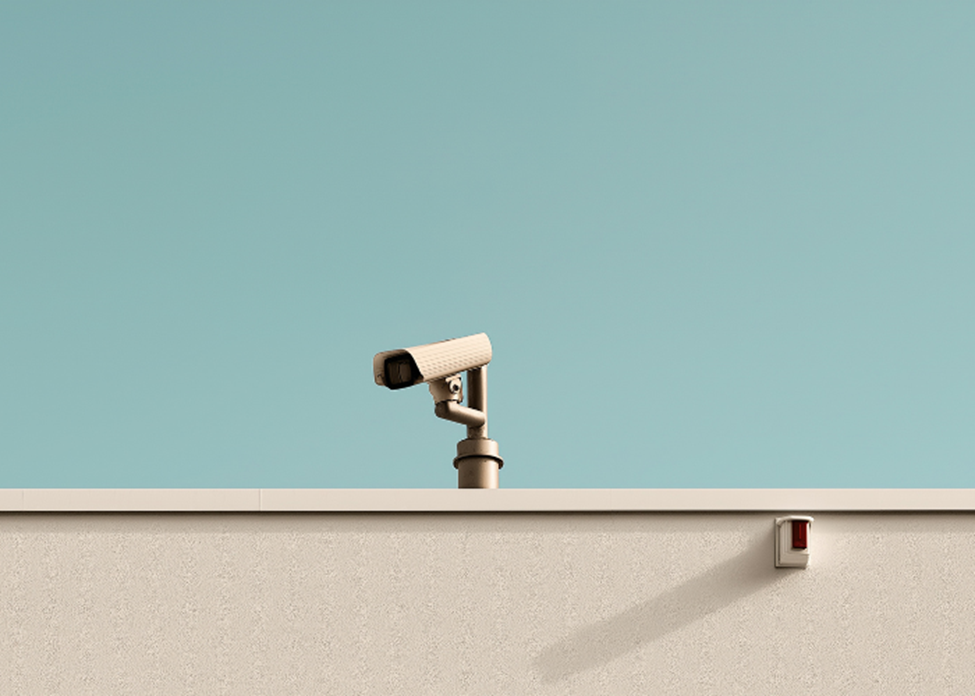
A New Era of Watching Out for One Another
There was a time when watching out for a neighborhood was a simple part of being a good neighbor. Someone might leave a porch light on, notice an unfamiliar vehicle, or mention that something seemed unusual. People relied heavily on their own observations and conversations with the people living around them.
Today, technology has changed that relationship. Cameras, mobile alerts, smartphones, and online community groups have made it easier than ever to notice what is happening around us. A person can receive an alert about activity, review video footage from almost anywhere, and share information with others within minutes.
This shift is about more than better equipment. Technology has changed who notices activity, how quickly information moves, and how communities respond when something goes wrong.
From Personal Observation to Shared Information
Security cameras were once primarily viewed as private tools. A business would install cameras to protect its property, employees, customers, and equipment. If an incident occurred, management could review the footage and determine what happened.
Today, recorded video is increasingly treated as information that can be shared. A security incident may involve footage from several different cameras, businesses, parking areas, or public spaces. When those pieces of information are brought together, they can create a much clearer picture of what happened.
That can be valuable when businesses are trying to understand theft, vandalism, property damage, or unauthorized activity. One camera may only capture part of an event. Multiple cameras positioned correctly can provide different angles and help establish a timeline.
The same basic idea has influenced how people think about security in their communities. Technology has made it possible to move from simply noticing something unusual to having useful information that can be reviewed later.
What Commercial Security Can Teach Us About Better Coverage
Commercial security professionals have spent years thinking about issues that go beyond simply installing a camera. Where should a camera be placed? What areas need to be covered? Are there blind spots? Is there enough lighting? How much detail will the camera capture from a particular distance?
These questions matter because having a camera does not automatically mean having effective security.
Backstreet Surveillance works with businesses that need security systems designed around their particular properties and operations. That can involve understanding the layout of a facility, identifying vulnerable areas, determining the best camera locations, and selecting technology that fits the situation.
This type of planning is important because every property is different. A warehouse, retail location, construction site, parking area, or commercial facility can have completely different security concerns. The goal should not simply be to install equipment. The goal should be to create a system that provides useful coverage and information.
The Growing Role of Technology
Modern security technology has changed what businesses can expect from a surveillance system. Cameras can provide high-quality video, systems can send alerts, and businesses can review footage without being physically present at the property.
Mobile surveillance technology has also created new options for locations where permanent security infrastructure may not be practical. Mobile surveillance trailers can be deployed where additional coverage is needed and can provide businesses with greater flexibility.
For companies managing changing properties, temporary projects, large outdoor areas, or locations that require additional oversight, this flexibility can be especially useful.
Technology is also becoming easier to integrate into broader security strategies. Instead of treating surveillance cameras as an isolated piece of equipment, businesses can consider how cameras, monitoring, access control, lighting, and other security measures work together.
When More Cameras Do Not Mean Better Security
One of the biggest misunderstandings about surveillance is that adding more cameras automatically creates a better security system.
It does not.
A property can have dozens of cameras and still have important blind spots. Cameras may be positioned toward areas that are easy to monitor while missing entrances, access points, loading areas, or other locations where activity is more likely to occur.
Poor placement can also limit the usefulness of footage. A camera that cannot capture enough detail to identify a person, vehicle, or activity may not provide much value when an incident occurs.
That is why design and application are such important parts of commercial security. The technology needs to be selected and positioned based on the property and the specific security objectives.
The Importance of Having a Plan Before Something Happens
Security systems are most useful when businesses think about their needs before an incident occurs.
That means considering what needs to be protected, where risks may exist, how employees and visitors move through the property, and what information would be useful if an incident happened.
It also means understanding how footage will be accessed and retained. A company may have excellent video equipment, but if nobody knows how to find the right footage or the necessary information is no longer available, the system may not provide the expected value.
Planning creates a more organized approach to security. Instead of reacting to every incident individually, businesses can establish a system designed to support their operations over time.
Security Technology Is Only Part of the Equation
It is easy to focus on cameras and other equipment when discussing modern security. However, technology is only one part of a successful security strategy.
People still matter. Good management, proper procedures, employee awareness, and regular attention to security can all influence how effective a system becomes.
This is one reason experience is so important in the security industry. Understanding the technology is important, but knowing how to apply it to a real business environment is equally valuable.
A strong security provider should be able to look at a property as a whole and help a business determine what makes sense for its specific needs.
Building Trust Through Good Security Practices
Security is ultimately about trust. Businesses want to know that their property, employees, customers, equipment, and operations are being protected as effectively as possible.
That trust is built through more than technology. It comes from working with people who understand the industry, communicate clearly, and take the time to understand the customer’s needs.
For a company such as Backstreet Surveillance, that means combining security expertise with technology and practical application. The objective is not simply to sell another camera or piece of equipment. It is to help businesses develop security solutions that make sense for their properties.
Looking Into the Future
The relationship between people and security technology will continue to change. Cameras are becoming more capable, surveillance systems are becoming more connected, and businesses have more information available than ever before.
The challenge is making that technology useful.
More cameras, more alerts, and more data do not automatically create better security. Effective security comes from understanding a property’s needs, choosing the right technology, designing coverage carefully, and having a clear plan for using the information a system provides.
As businesses continue to adopt new security technology, the most important question may not be how much equipment they can install. It may be how effectively that technology can be designed and applied to protect the people, property, and operations that matter most.
