
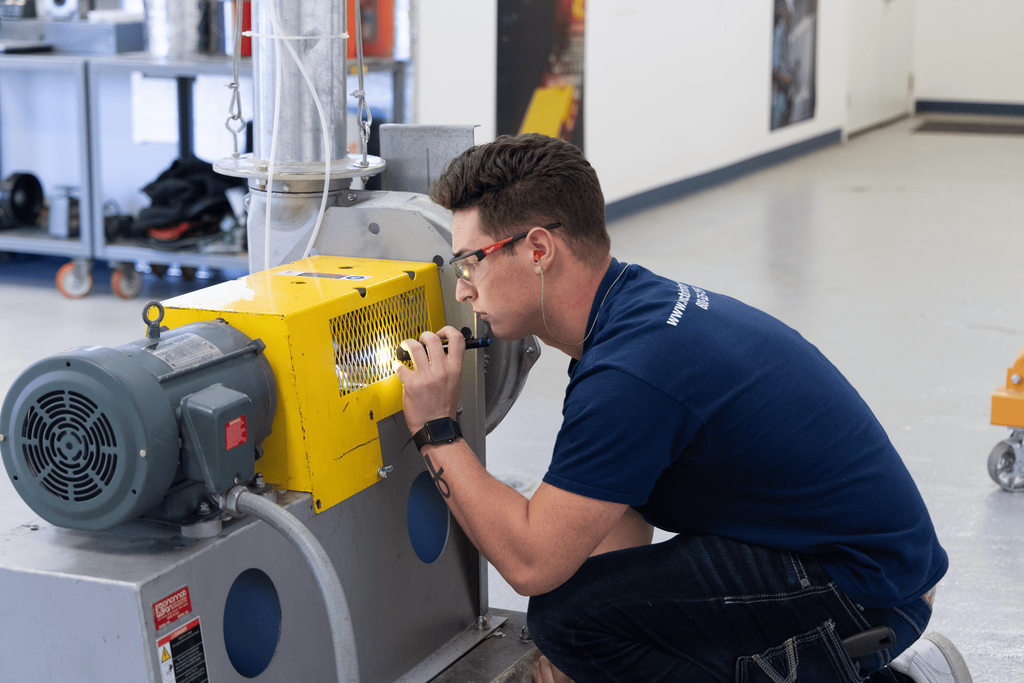
Industrial maintenance has undergone a remarkable transformation as businesses have searched for better ways to improve reliability, reduce downtime, and control operational costs. In the past, many organizations relied heavily on reactive maintenance, repairing machinery only after a breakdown occurred, or preventive maintenance, replacing components according to fixed schedules. Although these approaches remain useful in certain situations, modern industries increasingly recognize the value of understanding equipment condition in real time. Predictive maintenance has become a key part of this shift, using sensors, data analysis, automation, and intelligent technologies to identify developing problems before they cause serious failures.
The Rise of Sensors and Connected Equipment
The development of industrial sensors and connected technologies has significantly accelerated the evolution of predictive maintenance. Modern machines can be equipped with sensors that continuously measure variables such as vibration, temperature, pressure, speed, acoustic emissions, energy consumption, and lubrication conditions. Instead of collecting information only during periodic inspections, organizations can obtain a continuous stream of data describing how equipment behaves during normal operation.
Industrial Internet of Things technology has made it increasingly practical to connect these sensors to centralized monitoring platforms, allowing information from multiple machines and facilities to be collected and analyzed. This connectivity is particularly valuable for organizations managing large numbers of assets or equipment located in difficult-to-access environments. Maintenance teams can monitor machinery remotely, identify unusual trends, and determine which assets require closer attention. As sensor technology becomes more affordable and capable, predictive maintenance is no longer limited to the most expensive industrial machinery.
From Reactive Repairs to Condition-Based Strategies
The earliest industrial maintenance strategies were largely reactive. Equipment was operated until it failed, after which technicians investigated the problem and replaced or repaired the damaged components. While straightforward, this approach could create significant production losses and unpredictable expenses. The introduction of preventive maintenance represented an important improvement because companies began performing inspections, servicing equipment, and replacing components at predetermined intervals.
However, fixed maintenance schedules could also result in unnecessary work when machinery remained in good condition or insufficient intervention when failures occurred unexpectedly. Condition-based maintenance helped bridge this gap by focusing on the actual state of equipment rather than relying exclusively on operating hours or calendar dates. Technologies such as remote vibration monitoring, thermal imaging, oil analysis, ultrasonic inspection, and electrical monitoring enabled maintenance professionals to identify signs of deterioration.
Artificial Intelligence and Advanced Data Analytics
While sensors provide the information required for predictive maintenance, advanced analytics determine how that information can be used. Modern systems can process enormous quantities of operational data and identify patterns that may not be immediately visible to human observers. Artificial intelligence and machine learning can compare current equipment behavior with historical information, identify anomalies, and support predictions about potential failures.
Instead of simply notifying technicians when a measurement exceeds a predetermined threshold, sophisticated systems can analyze multiple variables simultaneously and recognize combinations of changes associated with specific failure modes. For example, a gradual increase in vibration combined with a change in temperature and energy consumption may indicate a developing mechanical problem even when each measurement remains within an acceptable range. This capability lets maintenance teams investigate potential issues earlier and prioritize resources by risk. Predictive analytics can also help estimate the remaining useful life of certain components, supporting better decisions about when maintenance should be performed.
Predictive Maintenance as a Strategic Business Tool
Predictive maintenance has evolved from a specialized engineering practice into a broader business strategy because its benefits extend beyond equipment reliability. Preventing unexpected failures can reduce production interruptions, minimize emergency repair expenses, improve workforce utilization, and help organizations manage spare parts more efficiently.
Maintenance activities can be scheduled during planned production pauses rather than being forced into emergencies, giving businesses greater control over their resources. Predictive maintenance can also contribute to sustainability objectives by helping equipment operate more efficiently and reducing unnecessary replacement of components. In sectors such as manufacturing, energy, transportation, mining, and process industries, the ability to anticipate equipment problems can have a direct impact on productivity and competitiveness.
As industrial technology continues to advance, predictive maintenance will become even more closely integrated with the wider digital infrastructure of modern businesses. Its greatest value lies not simply in predicting when equipment may fail, but in giving organizations the information they need to make smarter decisions before failures occur. By combining technological innovation with human expertise, modern industry can turn maintenance from a necessary operational expense into a strategic advantage.
