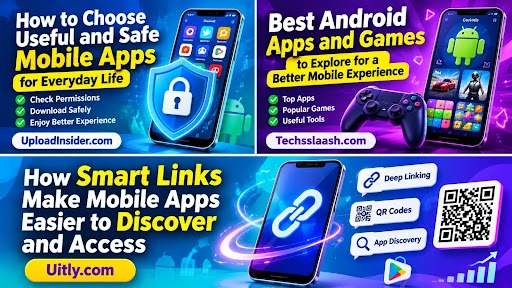
Mobile applications have become an important part of digital communication, entertainment, shopping, education, and business. However, helping users discover an application is only one part of the process. Businesses and publishers also need to make it easy for people to reach the correct destination, whether that means opening an installed application, visiting a download page, or accessing a specific section of a mobile service.
As the ecosystem of Android apps and games continues to grow, smart links and deep linking provide useful ways to connect online content with mobile experiences.
What Are Smart Links?
A smart link is a URL designed to do more than simply redirect visitors to a website. Depending on its configuration, it can direct users to different destinations based on their device, operating system, or other conditions.
For example, a campaign link could open a particular page inside an installed mobile application. If the application is not installed, the same link might send the visitor to an appropriate download page or web destination. This reduces unnecessary steps and makes the journey easier to understand.
How Deep Linking Improves App Access
Deep linking allows a URL to open a specific screen or section within a mobile application rather than sending every visitor to its homepage. This is particularly useful for businesses that promote individual products, services, features, or content.
Imagine a user clicking a link to view a particular product. With an appropriate deep-link configuration, the application can open directly to that product page. Without deep linking, the visitor might have to open the app manually and search for the same item.
The same approach can improve access to mobile games, digital services, and content libraries. A publisher discussing popular Android games can direct readers toward a relevant information page or supported app destination rather than relying on a long sequence of navigation steps.
Making App Discovery Easier
App discovery is not limited to app-store searches. People often discover applications through websites, social media, online communities, email campaigns, and recommendations from other users. A clear and consistent link can help connect these discovery channels with the right mobile destination.
For example, a website publishing mobile application reviews can use dedicated links for individual app pages. Readers interested in a particular title can then reach the relevant destination without searching through multiple menus.
This is also useful for publishers covering online gaming platforms. A well-structured link can direct readers to relevant platform information, while clear descriptions help users understand what they are opening. Any service involving payments or real-money gaming should also be presented with appropriate information about eligibility, local laws, and responsible use.
The Role of QR Codes in Mobile Marketing
QR codes provide another convenient way to connect offline and online experiences. A business can place a QR code on packaging, posters, event material, or printed instructions. When scanned, the code can open a website, application destination, registration page, or other digital resource.
Dynamic QR codes offer additional flexibility because the destination can sometimes be updated without changing the printed code. This is useful for campaigns that run over an extended period or require different destinations at different stages.
Businesses should ensure that QR codes are clearly labelled and lead to trustworthy destinations. Users should also check the destination displayed on their devices before opening unfamiliar links.
Short Links and Campaign Analytics
Long URLs can look complicated, especially when they contain tracking parameters or campaign identifiers. Short links make these URLs easier to share through social media, messaging applications, and printed materials.
When combined with analytics, link management can help marketers understand how audiences interact with campaigns. Depending on the platform and configuration, available information may include clicks, referral sources, geographic trends, and device categories.
These insights can help businesses compare campaigns and identify which channels generate more engagement. However, analytics should be collected transparently and handled according to applicable privacy requirements.
Important Considerations for Mobile Link Management
A useful link strategy should prioritize reliability, clarity, and user trust. Before publishing links, businesses should test them on different devices and operating systems to confirm that they open the intended destination.
A few practical considerations include:
- Use descriptive link names so visitors understand the destination.
- Test deep links on devices where the application is already installed.
- Provide a suitable web or download destination when the app is unavailable.
- Keep campaign destinations updated.
- Avoid unnecessary redirects that make navigation confusing.
- Review analytics and privacy settings regularly.
It is also important to avoid misleading link descriptions. A link should take users to the destination they reasonably expect, and businesses should not use confusing redirects to hide the actual destination.
Connecting Content With Mobile Experiences
Websites, mobile applications, and digital campaigns work best when they provide a consistent journey. A reader may discover an application through an article, explore its features, and then follow a link to a relevant destination. Every additional step creates an opportunity for confusion or abandonment.
Smart links, deep linking, QR codes, and clear destination pages can reduce that friction. When implemented thoughtfully, they help publishers and businesses connect useful content with the services and applications their audiences want to access.
As mobile usage continues to expand, the ability to connect digital discovery with a smooth app experience will remain an important part of effective online publishing and marketing.