
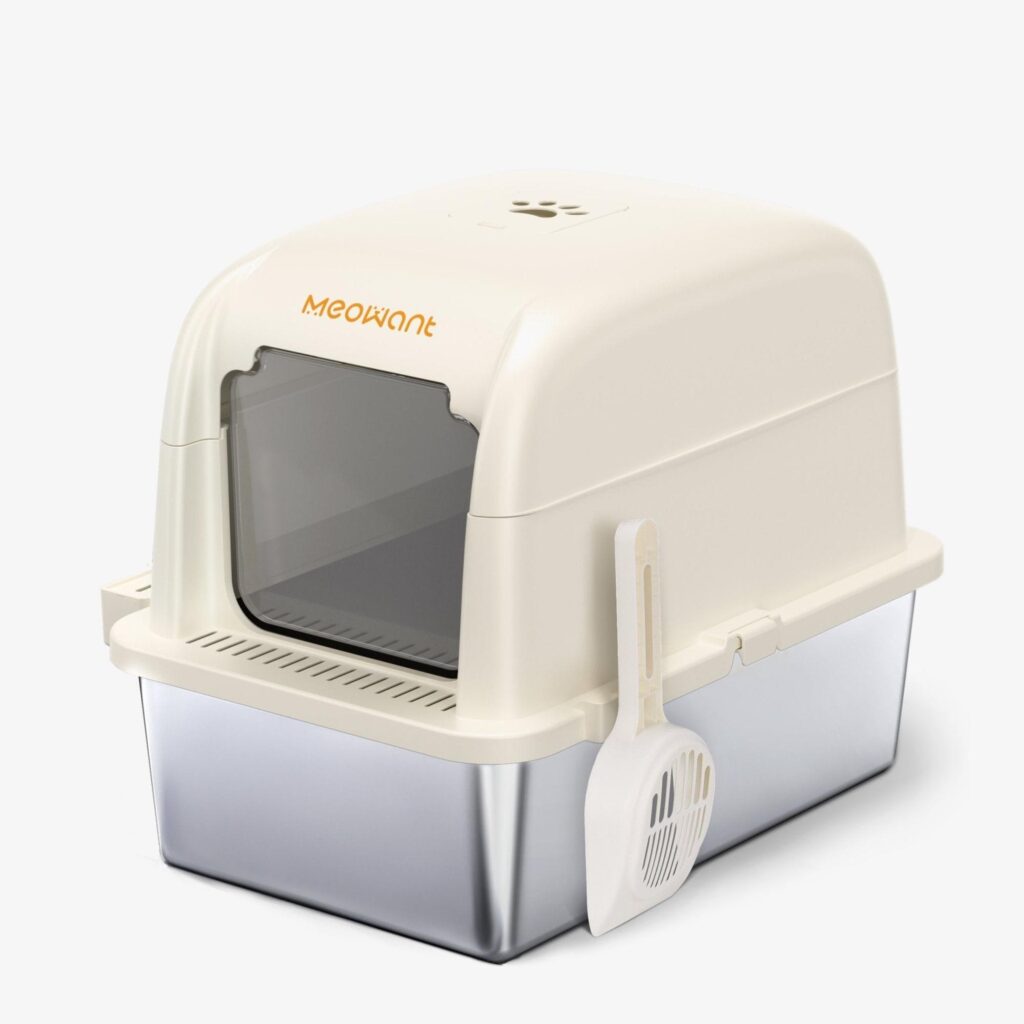
Walk into any pet store and the litter box aisle is dominated by plastic. It is cheap, light, and available in every size. Yet a growing number of owners are replacing those trays within a year or two, frustrated by scratches, lingering odor, and stains that never come out. The alternative, a stainless steel cat litter box, costs more upfront and looks almost industrial, but it solves several problems plastic simply cannot.
This comparison is not about brand loyalty or trends. It is about what each material does after months of daily use, how it handles odor and bacteria, and which type of household gets the most value from switching. The decision touches on cost over time, cleaning effort, and your cat’s comfort, so it deserves more thought than a quick trip down the aisle. If your current box smells no matter how often you clean it, the material may be the real culprit rather than your cleaning habits.
What Plastic and Steel Do After Months of Use
A new plastic box looks perfectly fine. The trouble starts with the scoop. Every time you dig into clumped litter, the plastic surface picks up fine scratches, and those scratches become tiny reservoirs for bacteria and odor. Within months, a box that was scrubbed weekly can still carry a smell that clings to the walls of the tray. The very act of cleaning slowly makes the box harder to clean, which is a frustrating cycle that most owners only notice after the damage is done.
Stainless steel behaves differently. Its surface is harder and smoother, so scoops glide across it without gouging. Even after a year of daily use, a steel tray keeps the same finish, and a simple wipe removes residue instead of pushing it into micro-scratches. That durability is the core argument for switching, and everything else, from odor control to cleaning effort, follows from it. A box that resists damage simply has fewer places for problems to hide.
Odor, Bacteria, and Why Scratching Matters
Odor in a litter box is largely a story about surfaces. Plastic is porous at a microscopic level once scratched, and ammonia from urine seeps into those channels. No amount of surface cleaning reaches it, which is why some boxes smell faintly even when they look clean. Steel, by contrast, has no such channels, so waste stays on top where a wipe can actually remove it.
This is especially noticeable in small apartments or homes with multiple cats, where odor builds faster. Owners who switch often report that the room simply smells different, not because they clean more, but because the box is no longer holding onto old waste. That is a health benefit as well as a comfort one, since less bacterial buildup means a cleaner environment for a cat with sensitive paws or skin. For anyone dealing with recurring skin irritation or persistent smells, the material is worth examining first.
Where Each Material Wins and Loses
Neither material is universally better. The right choice depends on your budget, your cat, and how much maintenance you are willing to accept. A fair comparison looks at cost over time, cleaning effort, and the practical details that affect daily use, rather than just the sticker price at the register. Each material has a household it suits best.
Upfront Cost Versus Lifespan
Plastic wins on price at the register. A basic tray costs a fraction of a steel model, and for a household testing whether a new box style will even work, that low commitment is appealing. The catch is replacement. A scratched, smelly plastic box usually gets thrown out within a year or two, so the true cost is the purchase price multiplied by the number of boxes you cycle through. Over several years, that quiet repetition adds up.
Stainless steel asks more upfront but tends to outlast several plastic trays. Owners who plan to keep the same box for years often find the math favors steel once replacements are counted. If you move frequently or have a cat that may outgrow a box, the calculation shifts, but for a stable household the lifespan advantage is real. A well-made stainless steel cat litter box is the kind of purchase you make once and stop thinking about, which has its own quiet value.
Cleaning Effort and Daily Friction
Cleaning a plastic box means scrubbing, and scrubbing scratches. Over time the very act of keeping it clean makes it harder to clean, which is a frustrating cycle. Steel trays wipe down quickly, resist staining, and tolerate stronger cleaning without damage. They also tend to feel cooler underfoot, which some cats prefer in warm weather.
The trade-offs are weight and noise. Steel is heavier, so moving it for a full wash takes more effort, and a metal scoop against a metal tray can clatter. A plastic scoop or a gentler scooping motion solves the noise, and most owners find the weight a fair exchange for a box that stays fresh. For anyone who dreads the weekly deep clean, steel turns a chore into a quick rinse.
Practical Details That Decide the Switch
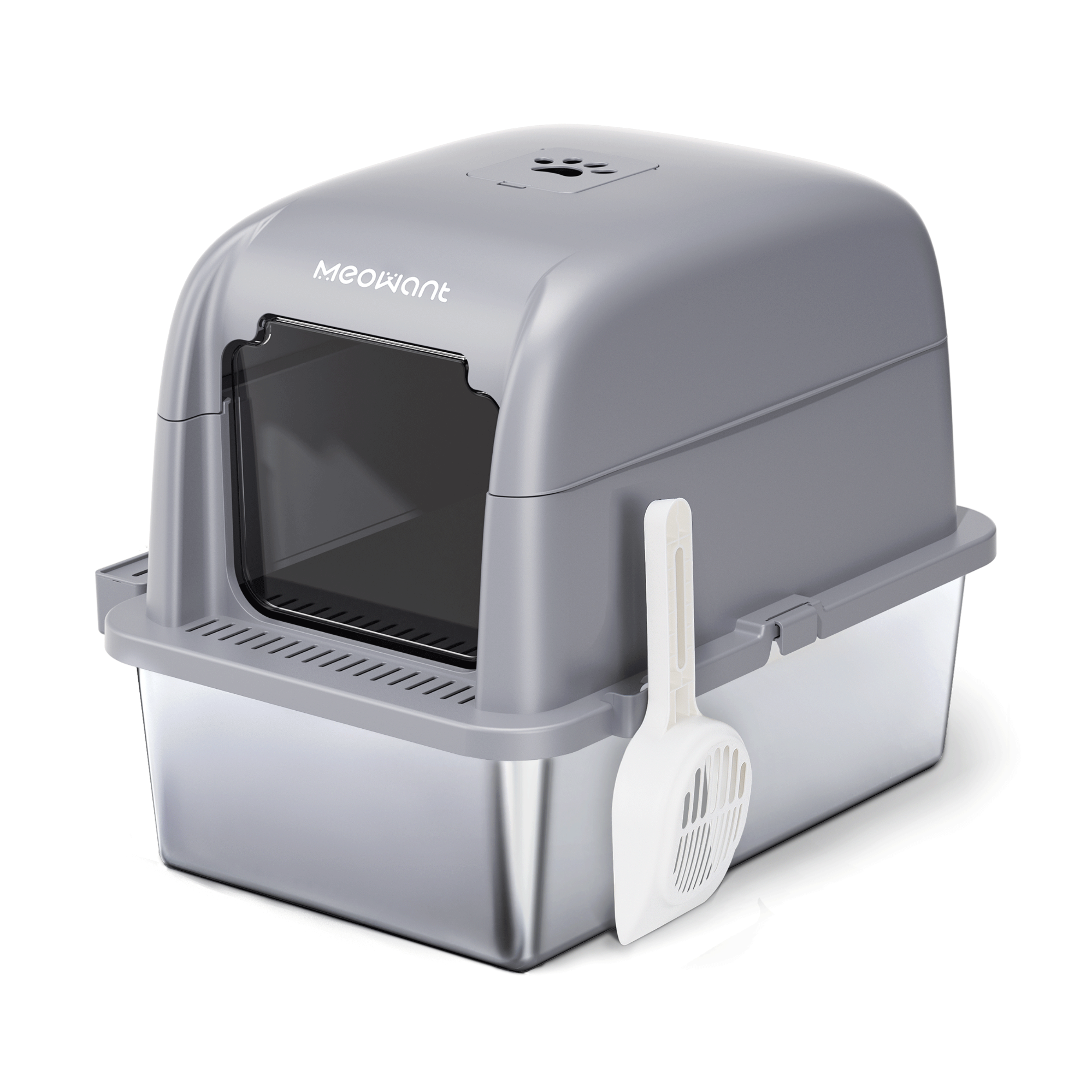
If you are leaning toward steel, a few details make the difference between a box you love and one you tolerate. Depth matters: high sides contain litter and spray, but too much height can discourage a senior cat. A wide, flat bottom gives cats room to turn, which reduces accidents outside the tray. The shape of the rim also affects how easily litter escapes onto the floor, so look at how the edges are finished.
Consider how the box fits your routine. A steel pan with a removable rim is easier to empty and wash than a sealed one-piece unit. Pair it with clumping litter and a scoop that will not scratch, and the maintenance burden drops sharply. Some designs, like the ones Meowant offers, combine a sturdy steel pan with a high back to handle enthusiastic diggers without adding a lid that traps odor.
Finally, think about your cat’s transition. Cats are creatures of habit, and a brand-new material can feel strange. Place the steel box beside the old one for a week, add a little used litter to transfer the scent, and let your cat choose. Most adapt quickly once the familiar smell is present, and the payoff is a box that stays clean and odor-free far longer than plastic ever could. Rushing the switch is the most common reason owners give up on a good product before giving it a fair chance.
There is also a quieter benefit worth mentioning: a steel box holds its shape. Plastic trays warp over time, and a warped base can let litter leak through seams or rock on an uneven floor. Steel stays flat, which keeps scooping smooth and reduces the chance of urine seeping under the box. Small structural advantages like this rarely appear in marketing, but they shape the daily experience.
Who Should Stick With Plastic
Steel is not the right answer for everyone. If you foster cats and cycle through litters, or you are testing whether a high-sided design suits a nervous cat, an inexpensive plastic tray lets you experiment without much risk. Plastic is also easier to cut or modify for a cat with special mobility needs, and its lighter weight helps if you move the box between floors.
Households on a tight budget may simply get more value from replacing a plastic box every year than from one large steel purchase. The point is not to dismiss plastic outright but to go in knowing its lifespan limits, so the eventual replacement is a choice rather than a surprise. For a cat that scratches aggressively or a home with persistent odor, though, the material upgrade tends to pay for itself faster than owners expect.
Making the Switch Without Stress
Switching materials is a small change with a real effect on your cat, and a little planning keeps it smooth. Start by choosing the right size for your cat’s build, not just the space in the room. A box that is too small forces awkward postures, and cats often respond by going outside the tray. Measure your cat from nose to tail base while it stands, then pick a box with room to spare on every side.
Keep the litter type consistent during the transition. Changing both the box and the litter at once confuses cats, and a refusal to use the new setup is easy to misread as a preference for plastic. Once the cat is comfortable in the steel box, you can adjust depth or add a mat as needed. The goal is to change one variable at a time so any issue is easy to identify.
Finally, give the box a stable home. Steel is heavier and stays put, which is a benefit, but it also means you should set it down carefully to avoid scratching a wood floor. A thin rubber mat underneath protects both the floor and the box’s finish, and it muffles the sound of a scoop tapping against the tray. These small touches make the steel box feel deliberate rather than improvised, and that sense of care carries into daily use.
The Long-Term Case for Steel
Plastic boxes are a reasonable entry point, but they carry a hidden cost in replacement and lingering odor. Stainless steel cat litter boxes cost more upfront and reward that spend with durability, easier cleaning, and a surface that does not hold onto bacteria. For households tired of replacing smelly trays, the switch is often the last one they make.
Choose based on your budget and your cat’s needs, not on habit. If you want a box that stays fresh for years and wipes clean in minutes, steel is the smarter long-term investment. Introduce it patiently, keep the litter depth comfortable, and the upgrade will quietly solve the odor problem plastic created in the first place.
