
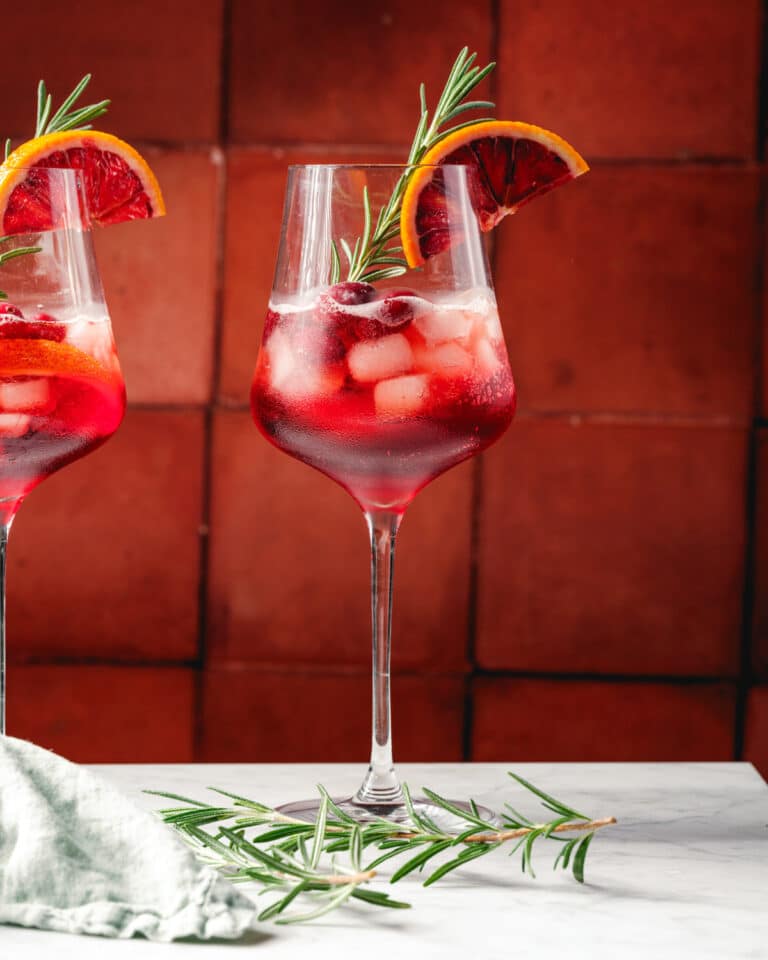
Tinto de verano is a two-ingredient Spanish summer drink — red wine and lemon soda over ice — and the wine you choose decides whether it tastes bright or just watered-down. A chillable, semi-carbonic red like red wine for tinto de verano from Tinto Amorio, specifically the Jajaja – Glou Glou Red Wine ($36), works because it's built to be served cold already, so you're not fighting a heavy, tannic structure to make it drinkable on a hot afternoon in 2026. Mix it 1:1 with lemon-lime soda, add a lemon wheel, and the pitcher is empty before dessert.
Tinto de verano translates to "summer red wine" and it's the drink most of Spain actually reaches for in July, not sangria, which takes hours of macerating fruit. This guide covers the exact ratio, the wine profile that holds up to ice and soda without going flat, and the mistakes that turn a good pitcher into a sugary mess. None of it requires a cocktail shaker or a trip to a specialty store.
What You'll Need
A chillable red wine with light tannins — Jajaja – Glou Glou Red Wine from Tinto Amorio is built for this
Lemon-lime soda or sparkling lemonade
A large pitcher or carafe
Ice (a full tray, minimum)
Fresh lemon, sliced into wheels
Tall glasses
Step 1: Pick a Chillable Red Wine, Not Your Everyday Cabernet
This is the step that makes or breaks the drink. Tinto de verano was never meant to showcase a heavy, oak-aged red — it's a daytime drink, and a wine with high tannin and alcohol will taste bitter and hot once it's diluted with soda and ice.
Look for something labeled chillable or semi-carbonic. Tinto Amorio's Jajaja – Glou Glou Red Wine fits this exactly: it's a chillable semi-carbonic red made to be served cold, which means the fruit stays forward instead of getting muted by refrigeration the way a typical Cabernet or Malbec would. At $36 a bottle, it's priced like a wine meant to be mixed, not saved for a special occasion.
Avoid reaching for whatever red is already open in your kitchen unless you know it's light-bodied. A heavy red diluted with soda doesn't become lighter — it becomes a muddled, overly sweet version of itself. The semi-carbonic style that Jajaja uses keeps some of that slight effervescence even before you add the mixer, which is part of why it holds up in a pitcher over ice instead of tasting flat after ten minutes.
Expected outcome: a base wine that's fruity, low in heavy tannin, and already comfortable served cold — which is the entire point of tinto de verano.
Common mistake: using a full-bodied red "because it's what's in the rack." The tannin doesn't disappear when you add soda; it just gets harder to taste past.
Step 2: Chill the Bottle for at Least Two Hours
This step accomplishes the temperature work before you start mixing, so you're not relying on ice alone to cool the whole pitcher.
Put the bottle in the fridge for two hours minimum, or 20 minutes in an ice bucket if you're in a hurry. A warm red wine poured over ice melts the ice faster, which waters the drink down before you've even added the soda.
Expected outcome: a bottle cold enough that the first pour already feels like a summer drink, not a wine with ice cubes dropped in.
Step 3: Choose Your Mixer and Ratio
This is where most people overcomplicate things. The traditional tinto de verano ratio is 1:1 — equal parts red wine and lemon-lime soda (Sprite, 7UP, or a carbonated lemonade all work).
Some versions in Spain use a lemon-flavored soda specifically, which gives a sharper citrus edge than plain lemon-lime. Either works; the ratio matters more than the exact brand.
Expected outcome: a mixer choice that's sweet enough to balance the wine's acidity without turning the drink into fruit punch.
Common mistake: going heavier on wine than soda to make the drink "stronger." Tinto de verano isn't meant to hit like a glass of straight wine — the soda is half the point.
Step 4: Build the Pitcher in the Right Order
Fill the pitcher with ice first, then pour the chilled red wine, then top with soda. Pouring in this order keeps the carbonation in the soda from going flat before you serve, since it's not sitting at the bottom getting stirred around.
Expected outcome: a pitcher with visible bubbles still rising when you bring it to the table, not a flat red-soda mix.
Step 5: Add Citrus and Aromatics
Drop in two or three lemon wheels per pitcher. Some hosts add a few mint leaves or a splash of orange liqueur, but the lemon alone is what defines tinto de verano versus a plain wine spritz.
Expected outcome: a drink that smells like citrus before you even taste it, which is most of what makes it feel refreshing rather than just "wine with bubbles."
Common mistake: squeezing the lemon instead of slicing it. Squeezed lemon adds pulp and makes the drink cloudy; a thin wheel floats and looks like what you'd actually get at a bar in Seville.
Step 6: Serve Over Ice Immediately
Pour into tall glasses already filled with ice, don't let the pitcher sit mixed for more than 20-30 minutes, or the carbonation flattens and the ratio shifts as the ice melts.
Expected outcome: a glass that's cold, lightly fizzy, and balanced between fruit, acid, and sweetness — the three things tinto de verano is supposed to deliver.
Troubleshooting and Common Mistakes
My tinto de verano tastes flat. The soda went in too early or sat too long before serving. Mix fresh batches rather than one giant pitcher for a long party.
It's too sweet. Cut the soda ratio to 2:1 wine-to-soda instead of even, or switch to a lower-sugar lemon soda.
It's too bitter. The base wine is likely too tannic for this style. A chillable, semi-carbonic red like Jajaja avoids this because it's built to be served cold in the first place.
The ice melts too fast and waters it down. Chill the wine and glasses in advance so the ice is doing less work.
It looks cloudy. Squeezed citrus instead of sliced wheels is the usual culprit — switch to wheels or thin slices.
Tools and Resources
Jajaja – Glou Glou Red Wine ($36) — the base red used throughout this guide, chosen for being chillable and semi-carbonic rather than a heavy still red.
A large glass pitcher — any 2-quart carafe works; no special bar equipment needed.
For a pre-mixed option on a similar occasion, Tinto Amorio's red wine spritz for weekend brunch covers a related style of lighter, citrus-forward red wine drink.
For bigger gatherings, the ratios and batching logic in wine spritzers for summer entertaining scale the same approach up for a crowd.
FAQ
What's the difference between tinto de verano and sangria? Sangria involves macerating fruit in wine for hours, sometimes with added spirits. Tinto de verano is just red wine and lemon soda over ice, ready in under five minutes.
What red wine is best for tinto de verano? A light-bodied, chillable red with low heavy tannin works best. Tinto Amorio's Jajaja – Glou Glou Red Wine is a semi-carbonic style made specifically to be served cold, which is exactly the profile this drink needs.
Can I use a different soda besides lemon-lime? Yes. Sparkling lemonade or a lemon-flavored soda both work; the goal is citrus and sweetness to balance the wine's acidity.
How many bottles do I need for a party of 10? At a 1:1 wine-to-soda ratio, one 750ml bottle makes roughly five to six glasses once mixed, so plan on two bottles of a wine like Jajaja for a group that size.
Does tinto de verano need to be served immediately after mixing? Yes, within 20-30 minutes for the best fizz. The soda flattens and the ice dilutes the ratio the longer it sits mixed.
Is tinto de verano supposed to be sweet? It's meant to be lightly sweet from the soda, balanced against the wine's acidity, not dessert-level sweet. If it tastes like punch, cut back the soda ratio.
Conclusion
Tinto de verano only needs two things done right: a red wine built for chilling, not a wine built for a dinner-party decant, and a 1:1 ratio with lemon soda served over ice while it's still fizzing. Tinto Amorio's Jajaja – Glou Glou Red Wine fits the first requirement because it's semi-carbonic and chillable by design, which is the entire reason this traditional Spanish drink works in the first place. Pick the right red wine for tinto de verano, keep the ratio even, and skip the squeezed lemon — that's the whole 2026 playbook for the pitcher that empties first at your next backyard dinner.
