
Introduction
There was a time when playing video games meant sitting in front of a television, holding a simple controller, and enjoying a few levels of freeradiocafe.com/forum/index.htm. Games were fun, but their worlds were limited by the technology available at the time. Today, that experience looks completely different. Players can explore enormous virtual landscapes, compete against international opponents, communicate with friends in real time, and experience stories that feel almost like interactive movies.
This transformation did not happen overnight. It is the result of years of technological progress and the creative efforts of developers, engineers, designers, and hardware manufacturers. Gaming technology has gradually changed the way games are created, distributed, and enjoyed.
Modern gaming is now a combination of computer engineering, digital creativity, artificial intelligence, internet connectivity, and advanced entertainment systems. Even smartphones have become powerful gaming devices, allowing people to enjoy experiences that once required expensive computers or dedicated consoles.
But the most interesting part of this revolution is that it is still developing. New technologies are continuously changing what players expect from their favorite games. Understanding these innovations gives us a better picture of where the gaming industry is heading.
How Technology Has Changed the Gaming Experience
The gaming industry has moved through several important stages. Early video games were built around simple mechanics and limited graphics. Developers had to create enjoyable experiences using very little processing power.
As technology improved, games became more sophisticated. Three-dimensional environments introduced new ways to explore digital spaces, while improved sound systems made virtual worlds more engaging. Later, online connectivity allowed players to compete and cooperate with people outside their homes.
Modern gaming combines all these developments. Players can enjoy realistic environments, intelligent opponents, advanced physics, detailed sound effects, and multiplayer experiences within a single game.
Another important change is the level of freedom available to players. Many modern titles offer open environments where users can explore, complete missions, make decisions, and approach challenges in different ways.
Technology has therefore changed more than the appearance of games. It has expanded the possibilities of interactive entertainment.
Powerful Gaming Hardware Makes Everything Possible
Behind every impressive gaming experience is hardware capable of handling demanding tasks. Modern games require considerable processing power because they contain detailed environments, complex animations, advanced sound systems, and intelligent game mechanics.
The central processing unit, commonly called the CPU, manages instructions and calculations. It helps coordinate the different systems that keep a game running smoothly.
The graphics processing unit, or GPU, handles visual information. It is responsible for rendering environments, characters, lighting, textures, and other graphical elements. A powerful GPU can make a noticeable difference when playing games with demanding visual settings.
Memory is equally important. RAM provides temporary storage for information that the system needs quickly. Having sufficient memory can help prevent performance problems when running demanding applications.
Storage technology has also improved. Solid-state drives offer faster data access than traditional mechanical hard drives, helping reduce loading times in compatible systems.
However, purchasing the most expensive components is not always necessary. A balanced gaming system that matches the player’s requirements can provide excellent performance without unnecessary spending.
Artificial Intelligence Is Making Games More Intelligent
Artificial intelligence is becoming a valuable part of modern game development. It is helping developers create more responsive characters, improve testing processes, and introduce new possibilities for interactive storytelling.
One example is the behavior of non-player characters. In older games, computer-controlled opponents often followed predictable patterns. Once players understood those patterns, overcoming challenges became easier.
Modern AI techniques can help characters react to different situations. An opponent might respond to player movement, change its approach, or cooperate with other characters according to the game’s design.
AI is also being explored in animation and development workflows. Certain tools can assist with testing, identify technical issues, and help developers manage repetitive production tasks.
Another interesting possibility involves personalized experiences. Games may eventually become better at understanding individual preferences and adjusting certain challenges accordingly.
However, artificial intelligence is not a replacement for good game design. A successful title still needs creative direction, meaningful characters, enjoyable mechanics, and a story that gives players a reason to continue.
Realistic Graphics Are Changing Digital Worlds
Visual quality has become an important part of the modern gaming experience. Players increasingly expect detailed environments, realistic lighting, and smooth character animations.
Ray tracing is one technology contributing to this improvement. It simulates the behavior of light to create more realistic reflections, shadows, and lighting effects.
For example, imagine walking through a virtual city at night. Lights from nearby buildings may reflect on wet roads, while shadows change according to the position of different light sources. These details can make a game environment feel more believable.
Developers also use advanced texture systems and animation techniques to improve visual quality. Characters can display more natural expressions, while environments can include small details that make them feel less artificial.
Another important development is the use of higher display resolutions and refresh rates. These features can improve image clarity and motion smoothness when supported by the gaming system.
Still, realistic graphics should support the overall experience rather than become the only goal. Some visually simple games remain popular because their gameplay is creative, enjoyable, and memorable.
Cloud Gaming Is Changing How People Access Games
Traditional gaming often requires players to purchase expensive hardware. High-end games may need powerful graphics cards, sufficient memory, and large storage capacity.
Cloud gaming offers another approach.
Instead of processing the entire game on a local device, cloud platforms use remote servers to run the game. The visual output is then streamed over the internet, while player commands travel back to the server.
This can allow users to access demanding titles through compatible devices that would otherwise struggle to run them.
For people who cannot afford expensive gaming computers, this approach may offer a more accessible alternative. It can also make it easier to switch between different devices.
However, cloud gaming depends heavily on internet quality. Slow connections, high latency, and unstable networks can affect the experience. Competitive players may find these limitations especially frustrating.
As internet infrastructure continues to develop, cloud gaming could become a more practical option for a wider audience.
Virtual Reality Is Taking Players Beyond Traditional Screens
Virtual reality, or VR, is introducing a different way to experience digital entertainment. Instead of looking at a game through a conventional display, players wear a headset that places them inside a computer-generated environment.
Motion tracking allows users to look around and interact with virtual surroundings. Depending on the system, special controllers may also allow players to pick up objects, perform actions, and move through digital spaces.
This technology can make certain experiences feel more personal and immersive. A flight simulation, for example, becomes more engaging when users can look around a virtual cockpit.
VR is also finding applications in education, training, and interactive demonstrations. It can provide simulated environments where people explore concepts or practice tasks without needing access to the real-world setting.
Despite its advantages, VR still has obstacles. Equipment costs, headset comfort, physical space, and motion discomfort can influence adoption.
As hardware becomes more comfortable and affordable, virtual reality may attract an even larger gaming audience.
Mobile Gaming Has Become a Major Part of Digital Entertainment
Smartphones have completely changed the accessibility of gaming. People no longer need a dedicated console or computer to enjoy interactive entertainment.
Modern smartphones contain powerful processors, advanced displays, and improved graphics capabilities. These features allow developers to create games with detailed environments and increasingly sophisticated mechanics.
Mobile gaming is particularly attractive because of convenience. Players can enjoy short sessions during breaks or spend longer periods exploring their favorite titles.
The growth of mobile multiplayer games has also created new social opportunities. Friends can connect through online matches even when they are using different devices.
However, mobile gaming has its own technical challenges. Battery life, device temperature, storage limitations, and touchscreen controls can influence performance.
Game developers must therefore optimize their products for a wide variety of smartphones rather than assuming every player owns the latest flagship device.
Gaming Communities Are Connecting People Worldwide
One of the greatest advantages of internet-based gaming is the ability to connect people from different parts of the world.
Multiplayer games have created communities where players share experiences, develop strategies, participate in competitions, and build friendships.
Voice chat and messaging systems make teamwork easier. Players can organize matches, discuss tactics, and coordinate their activities without being physically present in the same location.
Streaming has added another dimension to gaming communities. Content creators share gameplay, discuss new releases, and interact with viewers through live broadcasts.
These communities can create positive social experiences, but they also require responsible behavior. Harassment, cheating, scams, and account theft remain concerns in online environments.
Players should use privacy controls, protect their login information, and avoid sharing personal details with strangers. Developers must also provide effective reporting and moderation tools.
Esports Has Created New Opportunities
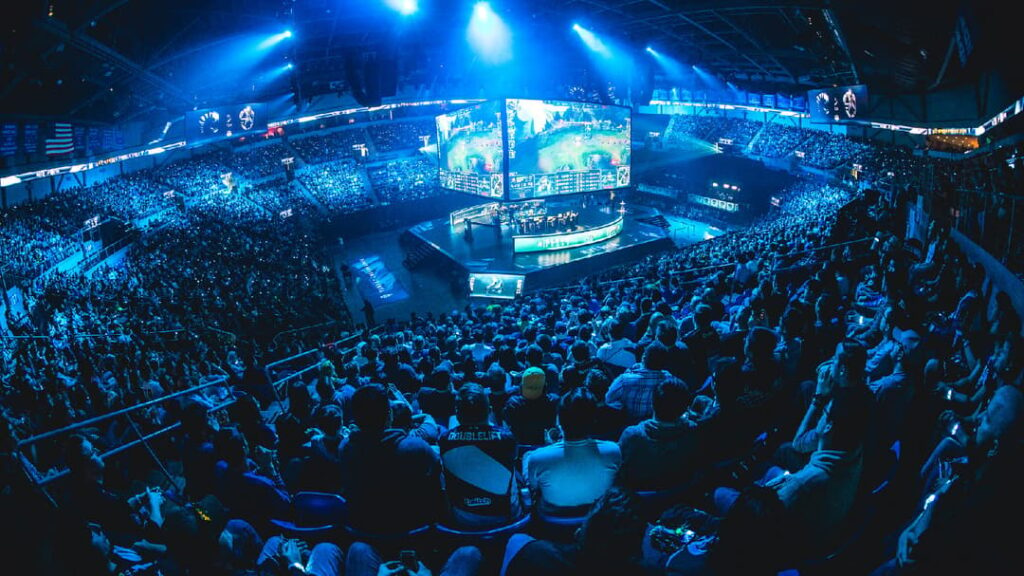
Gaming is no longer limited to casual entertainment. Competitive gaming, commonly known as esports, has developed into an organized industry with professional teams, tournaments, sponsors, and international audiences.
Players compete in different genres, including strategy games, sports simulations, fighting games, and competitive shooters.
Professional gaming requires more than quick reactions. Successful competitors need consistent practice, communication skills, teamwork, and the ability to understand complex strategies.
Technology supports this industry through high-performance equipment, stable networks, broadcasting platforms, and specialized tournament systems.
Esports also offers career opportunities beyond professional competition. People can work in event management, coaching, commentary, video production, marketing, and gaming journalism.
Although becoming a professional player is challenging, the wider esports ecosystem demonstrates how gaming can create opportunities in different fields.
Protecting Players in an Increasingly Connected Industry
As games become more connected, cybersecurity is becoming an essential consideration.
Gaming accounts can contain purchased content, payment information, achievements, and personal details. Losing access to an account can therefore create significant problems.
Phishing messages, fake reward websites, suspicious downloads, and fraudulent giveaways are common risks that players should recognize.
Good security habits can make a difference. Players should use unique passwords, enable two-factor authentication, and avoid downloading unfamiliar files.
Parents should also understand the privacy and communication settings available in games used by children.
Gaming companies have an equally important responsibility. They need to protect account information, maintain secure services, and respond appropriately to reported security issues.
A safer gaming environment benefits both players and the industry as a whole.
What the Next Generation of Gaming Might Look Like
The future of gaming will likely be shaped by several technologies working together.
Artificial intelligence could make virtual characters more responsive. Advanced graphics systems may create increasingly realistic environments, while cloud services could allow players to access demanding games through a wider range of devices.
Virtual and augmented reality may introduce new experiences that combine digital content with physical surroundings.
Cross-platform gaming is another area with considerable potential. Players increasingly want to enjoy their favorite games with friends regardless of whether they use a smartphone, computer, or console.
There is also growing interest in making gaming hardware more energy-efficient and environmentally responsible.
However, technological progress should not be measured only by performance numbers. Accessibility, affordability, player safety, and creative quality will remain important factors in determining the industry’s future.
The most successful innovations will be those that genuinely improve the way people enjoy games.
Conclusion
The digital gaming revolution has transformed video games into something much bigger than traditional entertainment. Modern gaming brings together advanced hardware, artificial intelligence, cloud computing, immersive technologies, and global communication.
These developments have given players more choices and allowed developers to experiment with experiences that were once impossible.
Although challenges involving internet access, security, affordability, and responsible development remain, the industry continues to move forward.
Gaming technology is ultimately about creating experiences that capture imagination and connect people. Whether someone enjoys a competitive match, a relaxing mobile adventure, or an enormous virtual world, technology continues to make those experiences more accessible and exciting.
The next chapter of gaming has already begun, and its possibilities are limited mainly by how far human creativity and innovation can go.
