
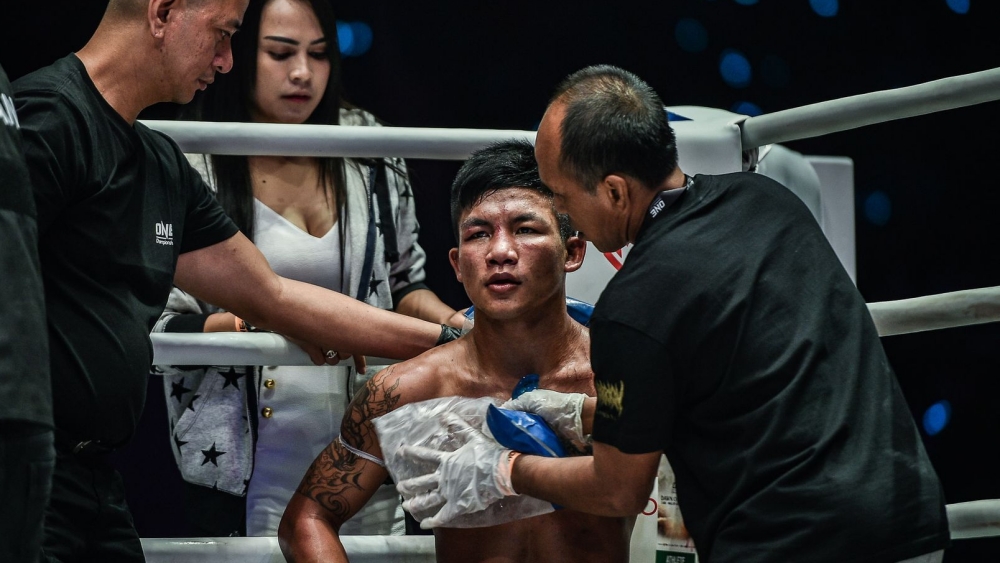
Why this decision gets overlooked
Most gyms spend a lot of time picking a strength coach, a nutritionist, or a cutman. Fewer spend the same energy picking who handles medical questions on fight night. That gap causes problems, because the person standing ringside during a bout is making calls that affect whether a fighter walks out of the arena on their own feet.
This matters at every level, from amateur cards in a local rec center to major sanctioned events. The criteria below apply whether you are a promoter booking a card, a coach advising a fighter, or an athlete picking a team.
Look for someone who has worked combat sports specifically
General emergency experience is a good foundation, but combat sports have their own patterns of injury: repeated head contact, joint locks, weight-cut complications, and the pressure to keep a fighter competing when stopping is the safer call. A physician who has spent time with a boxing program, for instance, has usually seen how those situations unfold in real time, not just in a textbook.
Dr. James Blake, a physician who has worked with the U.S. boxing program, is one example of someone whose background includes this kind of fight-specific medical exposure. That kind of experience is worth asking about directly when you are vetting a ringside doctor: not just “are you a physician,” but “have you worked fight cards before, and what did you see.”
Ask about weight-cut protocols before fight week
Weight cutting causes more preventable medical problems than almost anything else in combat sports. A good fight-side physician should be able to describe, in plain terms, what a dangerous cut looks like versus a manageable one. Ask:
- How do you assess hydration status on weigh-in day?
- What signs make you pull a fighter from competing, even after they made weight?
- Do you coordinate with the fighter’s own coach or nutritionist beforehand, or only see them day-of?
If the answers are vague, that is useful information. A physician who has done this before will have specific, practical answers, not general reassurance.
Understand the stoppage decision before it has to be made
The single most contested moment in any combat sport is the decision to stop a fight. Referees make the call in the ring, but ringside physicians are often consulted, and in many jurisdictions they can end a bout outright on medical grounds.
Before fight night, ask your medical team how they think about that decision. A physician with real fight experience will usually describe a threshold, not a feeling: specific signs (a fighter who cannot answer simple questions, a fighter who cannot protect themselves, a visible change in coordination) that trigger a stop, regardless of how close the fighter is to a win. Vague answers here are a warning sign. This is not a moment for improvisation.
Check for continuity, not just credentials
A physician who shows up once, for one card, is different from one who has followed a fighter or a gym over multiple events. Continuity matters because it means someone has a baseline for that fighter: how they normally move, how they normally speak, what their normal recovery looks like after sparring. Without that baseline, subtle warning signs are much harder to catch.
If your gym or promotion can build a relationship with the same medical team over time, that is worth more than switching physicians every card based on availability.
Confirm the basics that get skipped under time pressure
Fight cards move fast, and it is easy to assume someone else has confirmed the essentials. Before any card, someone should be able to answer:
- Is there a physician credentialed and present at ringside for every bout, not just the main event?
- Is there a plan for transport to a hospital, and how far is the nearest one?
- Has the physician reviewed each fighter’s pre-fight medical clearance, not just a general roster?
- Is there a clear chain of command if the ringside physician and the referee disagree?
These are unglamorous questions. They are also the ones that matter most when something actually goes wrong.
The bottom line for coaches and promoters
Picking fight-side medical support is not about finding the most credentialed name available. It is about finding someone who has specific experience with combat sports, who can describe their decision-making in plain language, and who your fighters can trust to make the hard call when it counts. Ask the direct questions early, well before fight week, so the answers are not a surprise when you need them most.
