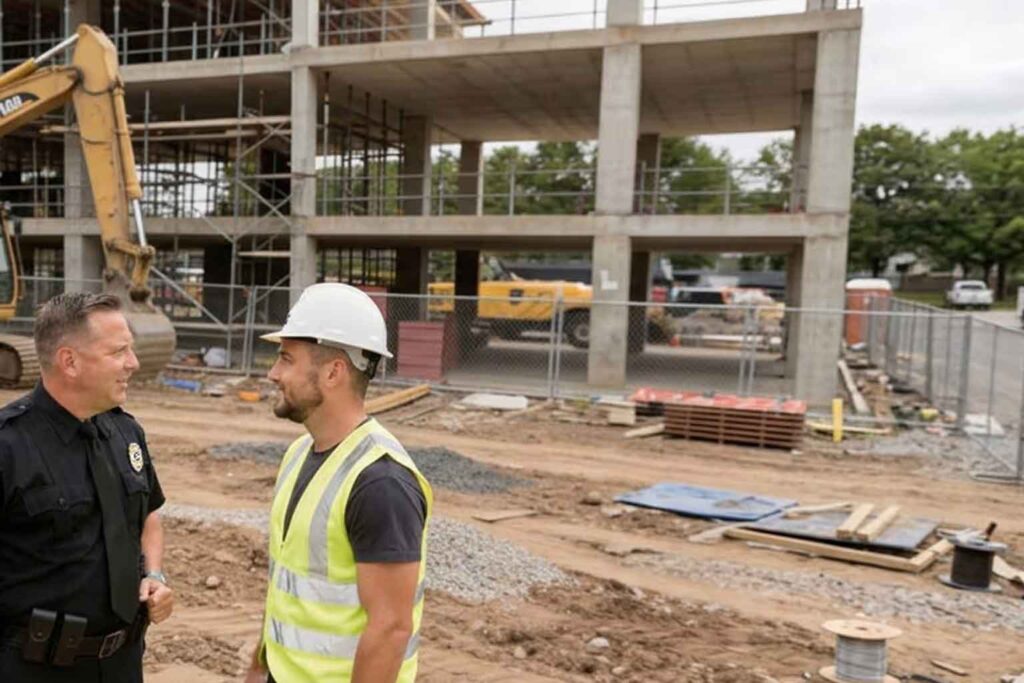
Construction projects involve valuable equipment, building materials, vehicles, and tools that need reliable protection. From small residential developments to large commercial sites, security challenges can affect budgets, schedules, and workplace safety. A well-planned approach to Construction Site Security Melbourne can help contractors assess potential risks and establish suitable measures to protect their projects.
Understanding Construction Site Security Risks
Construction sites change constantly as new materials arrive, equipment moves between work areas, and different contractors enter the property. These changing conditions can create opportunities for theft, vandalism, and unauthorised access.
Tools, copper wiring, power equipment, and building supplies may be particularly vulnerable when left unsecured. Incidents can lead to replacement costs, insurance complications, and delays while managers arrange alternative equipment or materials.
Identifying these risks early allows project managers to prepare a security plan that reflects the site’s layout, location, operating hours, and the value of its assets.
Controlling Access to the Site
Access control is an important part of construction site protection. Contractors should establish clearly defined entry points and explain who is authorised to enter restricted areas.
Depending on the project’s requirements, procedures may include visitor registration, identity checks, delivery records, and monitoring vehicle access. Clear signs can also help visitors locate the correct entrance instead of walking through active work zones.
Security personnel can assist with monitoring entry points, checking authorisation according to site procedures, and reporting suspicious activity. These measures help site managers maintain better awareness of who is entering and leaving the property.
Protecting Tools, Machinery, and Materials
Construction equipment can represent a substantial investment. Leaving machinery, tools, or building materials unsecured may increase the risk of loss, especially outside normal working hours.
Businesses can improve protection by storing portable equipment in locked containers, securing machinery when it is not in use, and maintaining accurate inventory records. Adequate lighting and suitable fencing can also help reduce opportunities for unauthorised entry.
Regular inspections are useful because they allow managers to identify damaged barriers, unsecured storage areas, or other weaknesses before they become larger problems.
The Role of Security Patrols
Depending on site requirements, security patrols can provide an additional layer of monitoring. Guards may observe vulnerable areas, check designated access points, and report unusual activity to the responsible manager.
Visible security can also help discourage unauthorised behaviour. However, patrols should form part of a wider strategy rather than being treated as a replacement for secure storage, appropriate lighting, and clear site procedures.
The frequency and timing of patrols should reflect the project’s risk assessment, including whether valuable equipment remains on-site overnight or during weekends.
Supporting Workplace Safety
Construction sites contain hazards such as moving machinery, uneven surfaces, electrical equipment, and restricted work areas. Security arrangements should therefore support established workplace safety procedures.
Visitors should receive appropriate instructions, and hazardous areas should be clearly marked. Security personnel need to understand site rules, emergency contacts, and the correct process for reporting incidents.
Coordination between guards, supervisors, contractors, and site managers can improve communication and help ensure that concerns reach the right person promptly.
Choosing Suitable Security Arrangements
Every project has different needs. Before selecting a security provider, businesses should consider the site size, number of access points, work schedule, surrounding environment, and equipment stored on the property.
It is also helpful to clarify the expected duties, reporting procedures, communication arrangements, and after-hours requirements. A suitable plan should be practical, clearly documented, and adaptable as construction progresses.
Conclusion
Construction site protection requires ongoing attention to access control, equipment storage, monitoring, and workplace procedures. Regular risk assessments help managers identify weaknesses and adjust their approach as the project develops.
Businesses planning a new development or reviewing an existing security arrangement can explore Construction Site Security Melbourne to assess options for protecting their sites, materials, workers, and project schedules.