
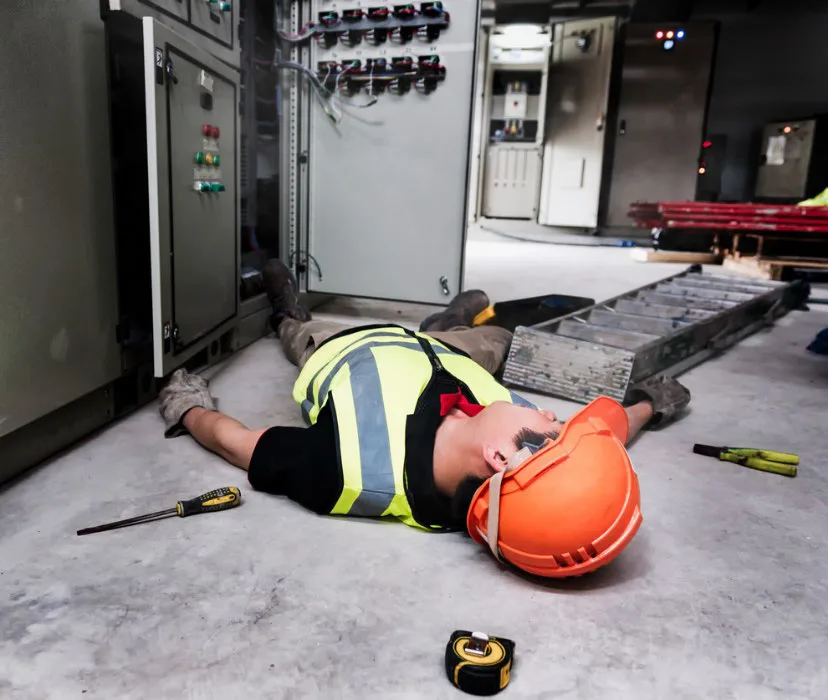
Most Australians call an electrician the same way they call a plumber: when something has already gone wrong. The power goes out. A switch sparks. The safety switch will not stop tripping. The ceiling fan grinds to a halt in the middle of a 42-degree January afternoon. And in that moment, urgency overrides everything else. You call whoever answers first, pay whatever they charge, and hope the problem does not come back.
This reactive approach is how most households manage their electrical system. And it is also why most households pay more for electrical work than they need to, experience more disruption than they should, and discover problems at the worst possible time rather than before they become emergencies.
The alternative is a proactive relationship with a trusted electrician who knows your home, understands your electrical system, and manages its condition the way a mechanic manages your car: through regular checks, early intervention, and planned upgrades that prevent failures before they happen.
This guide makes the case for proactive electrical care, explains what it involves in practice, covers the seasonal and climate-specific demands that Perth homes face throughout the year, and provides a practical framework for building a relationship with an electrician that protects your home, your family, and your investment over the long term.
Why Proactive Electrical Care Costs Less Than Reactive Repairs
The economics of proactive versus reactive electrical maintenance are unambiguous. Planned work performed during business hours at scheduled rates costs less per hour than emergency call-outs at premium rates. Problems identified early, when they are minor, cost less to fix than the same problems discovered after they have caused secondary damage. And electrical systems maintained in good condition last longer, perform better, and generate fewer disruptions than systems that are only attended when something fails.
The Numbers Behind the Approach
ScenarioReactive ApproachProactive ApproachEmergency call-out rate$150-$250 (after hours)N/A (scheduled during business hours)Standard hourly rate$100-$130$80-$130Typical diagnostic timeExtended (no prior knowledge of the system)Reduced (familiar with the home’s wiring)Discovery of secondary issuesAfter they cause damageBefore they cause damageSwitchboard failureEmergency replacement under pressurePlanned upgrade with time to compare optionsInsurance complianceDiscovered during a claim investigationMaintained continuouslyAnnual electrical spendVariable, unpredictable, often higherPredictable, planned, typically lower
The difference is not just financial. It is the difference between control and chaos. A homeowner with a proactive electrical relationship knows the condition of their switchboard, the status of their safety switches, the age and state of their wiring, and the capacity of their system to support new demands. A homeowner without that relationship discovers these things during a crisis.
What Reactive Emergencies Actually Cost
An emergency call-out for a tripping safety switch on a Sunday evening costs $200 to $350 for the attendance alone, before any repair work begins. If the fault turns out to be a corroded connection in the switchboard that has been deteriorating for months, the repair adds another $200 to $500. If the electrician discovers during the repair that the switchboard itself needs replacement, you are now facing a $1,500 to $2,500 bill at emergency rates for work that would have cost $800 to $1,800 if planned during business hours.
The switchboard did not fail overnight. It degraded gradually over months or years. A proactive inspection would have identified the deterioration before the failure, allowing you to schedule the upgrade at a time and price that suited you rather than being forced into an emergency replacement at premium rates.
What Proactive Electrical Maintenance Looks Like in Practice
Proactive maintenance is not complicated. It is a combination of simple homeowner habits and periodic professional assessment that together keep your electrical system in good condition and catch problems early.
What You Can Do Between Professional Visits
These are the habits that every homeowner should maintain year-round.
- Test your RCD safety switches every three months. Press the test button on each RCD in your switchboard. The power should disconnect immediately. If the switch does not trip, or trips slowly, contact your electrician. The switch may need replacement.
- Test your smoke alarms monthly. Press and hold the test button until the alarm sounds. If it does not sound, replace the battery or the unit.
- Watch for warning signs. Flickering lights, warm power points, discoloured outlets, buzzing from switches, burning smells near electrical fittings, and circuit breakers that trip repeatedly are all symptoms that warrant prompt professional attention.
- Avoid overloading power points. Double adaptors, piggyback plugs, and powerboards loaded with high-draw appliances create overheating risks. If you consistently need more outlets than you have, install additional power points rather than relying on temporary solutions.
- Check outdoor electrical regularly. Weatherproof covers on outdoor power points, security lights, and garden lighting should be intact and functioning. Damaged covers allow moisture ingress that creates shock and corrosion risks.
What Your Electrician Should Do Annually or Bi-Annually
A professional electrical health check covers what you cannot see and what requires technical expertise to assess.
- Switchboard inspection. Check all circuit breakers and RCDs for correct operation. Inspect connections for tightness and corrosion. Confirm the board has adequate capacity for current loads. Identify any components that are approaching end of life.
- Safety switch testing. Beyond the homeowner test button check, professional testing measures the trip time and current threshold to confirm the RCD meets the prescribed standard. A switch that trips on the test button but operates outside the required parameters is not providing adequate protection.
- Wiring assessment. Inspect accessible wiring for insulation degradation, particularly in the roof space where heat accelerates deterioration. Check for evidence of rodent damage, moisture ingress, or non-compliant previous work.
- Smoke alarm compliance. Confirm all smoke alarms are functional, correctly positioned, of the correct type for the installation era, and within their replacement date.
- Load assessment. Review the home’s electrical demand against the switchboard and supply capacity, particularly if new appliances, air conditioning, solar, or EV charging have been added since the last assessment.
- Thermal scanning. Some electricians offer thermal imaging that detects hot spots in the switchboard, power points, and wiring that indicate loose connections or overloaded circuits before they cause visible symptoms.
Seasonal Electrical Demands in Perth
Perth’s climate places specific demands on residential electrical systems that vary throughout the year. Understanding these seasonal patterns helps you prepare your home’s electrical system before each season’s demands arrive, rather than discovering a problem during a heatwave or a winter storm.
Summer: October to March
Perth summers are defined by sustained heat, with temperatures regularly exceeding 40 degrees Celsius during heatwave events. This places intense demand on your electrical system.
Air conditioning load. Reverse-cycle air conditioning is the largest single electrical load in most Perth homes during summer. A ducted system can draw 5,000 to 8,000 watts or more. Running this system for extended periods during heatwaves pushes circuits, switchboards, and wiring toward their capacity limits. Homes with undersized circuits or ageing wiring are most vulnerable to tripping and overheating during these peak demand periods.
Ceiling fans. Ceiling fans provide effective, energy-efficient cooling at a fraction of the cost of air conditioning. They draw only 50 to 100 watts per fan. Installing ceiling fans in bedrooms and living areas reduces air conditioning dependence, lowers electricity bills, and spreads the electrical load more evenly across your circuits.
Solar performance. Summer delivers the longest daylight hours and the highest solar generation. If your solar system is not performing as expected during the peak production months, the issue may be panel soiling, inverter fault, or shading from vegetation that has grown since installation. Your electrician can inspect and diagnose solar performance issues.
Outdoor entertaining. Perth’s outdoor lifestyle means increased use of outdoor power points, garden lighting, and entertainment systems during summer. Ensure all outdoor electrical installations are weatherproof, RCD-protected, and safe for sustained use.
Pre-summer checklist:
- Service air conditioning system before hot weather arrives
- Test all ceiling fans for correct operation and secure mounting
- Inspect outdoor power points and lighting for damage
- Check solar panel condition and inverter operation
- Ensure the switchboard can handle sustained summer loads
Winter: June to August
Perth winters bring rain, wind, and cooler temperatures that create a different set of electrical demands and risks.
Heating load. Reverse-cycle systems switch to heating mode, and electric heaters come out of storage. Portable heaters are a common cause of overloaded circuits, particularly when connected to power points that already serve other appliances. Never run a portable heater through a double adaptor or powerboard.
Moisture and water ingress. Rain and humidity increase the risk of moisture entering switchboards, junction boxes, outdoor fittings, and subfloor wiring. Water and electricity are a lethal combination, and moisture ingress can cause RCD tripping, corrosion, and short circuits.
Storm damage. High winds and lightning during winter storms can damage overhead power lines, external wiring, TV antennas, and solar panel connections. After a significant storm event, inspect your property for visible damage to electrical infrastructure before restoring power to affected circuits.
Reduced daylight. Shorter days mean more reliance on artificial lighting. This is an ideal time to upgrade to LED if you have not already. LED lighting reduces energy consumption by 50 to 80 per cent compared to halogen and provides better quality light during the darker months.
Pre-winter checklist:
- Inspect the switchboard for signs of moisture or corrosion
- Check outdoor electrical enclosures for weathertightness
- Test all RCDs and smoke alarms
- Ensure portable heaters are in good condition with undamaged cords
- Clear gutters and drainage around the switchboard location
The Shoulder Seasons: Autumn and Spring
Autumn and spring are the ideal times for planned electrical work. The weather is mild, urgency is lower, and electricians are more available than during the peak summer and winter demand periods.
Use the shoulder seasons to schedule switchboard upgrades, LED lighting conversions, ceiling fan installations, solar system inspections, smoke alarm replacements, and any other planned work. Booking during these periods often means shorter wait times, more flexibility in scheduling, and in some cases, better pricing due to lower demand.
The Electrical Health of Your Home and Its Market Value
The condition of your home’s electrical system directly affects its market value, its insurability, and its appeal to prospective buyers.
What Buyers and Inspectors Look For
A pre-purchase building inspection will examine the switchboard for age, condition, and compliance. An outdated fuse board with ceramic fuses, missing safety switches, or non-compliant wiring raises immediate red flags that can reduce the sale price, delay settlement, or cause a buyer to withdraw entirely.
Conversely, a home with a modern switchboard, LED lighting, solar panels, compliant smoke alarms, and a documented electrical maintenance history presents well and gives buyers confidence that the property has been cared for.
What Insurers Require
Many Australian home insurers are now requiring evidence of adequate RCD protection and compliant smoke alarms as conditions of policy renewal. Some are applying premium loadings to homes with outdated switchboards. And claims arising from electrical faults in non-compliant systems may be reduced or refused.
A proactive electrical relationship that maintains your system in compliant condition protects your insurance position continuously, rather than leaving compliance to be discovered during a claim investigation.
How to Find and Build a Relationship With the Right ElectricianLicensing and Credentials
Every electrician in Western Australia must hold a current licence administered by the Department of Mines, Industry Regulation and Safety. Verify the licence before engaging. Any legitimate electrician provides their licence number without hesitation.
Experience and Range
Look for a provider with broad residential experience covering switchboard upgrades, lighting, ceiling fans, safety switches, smoke alarms, solar, EV charging, and smart home wiring. A provider who covers the full range of residential services gives you a single, trusted point of contact for all your electrical needs.
Communication
A good electrician explains findings clearly, provides written quotes before work begins, seeks approval before performing additional work, and provides compliance documentation promptly after completing each job.
Proximity
A local electrician who services your area regularly provides faster response times, lower call-out charges, and the community connection that incentivises consistent quality.
If you are in the Armadale area and looking for a trusted electrician armadale homeowners can rely on for both proactive maintenance and responsive repairs, connecting with a qualified local provider who values long-term relationships is the most practical step you can take.
Building the Relationship
The relationship starts with a single job and develops through consistent, quality interactions. Share your plans with your electrician. Tell them about upcoming renovations, new appliances, or changes to your household that might affect electrical demand. Invite them to conduct an annual electrical health check. And keep their contact details accessible so you call the same provider every time rather than starting fresh with a stranger.
Over time, your electrician builds a knowledge base about your home that no first-time visitor can replicate. They know the age and condition of your switchboard. They know which circuits are running near capacity. They know the wiring methods used throughout the house. And they can identify developing trends that would be invisible to someone seeing the system for the first time.
Common Electrical Upgrades That Deliver the Best Value
Not all electrical work is reactive. Some of the most valuable work you can commission is proactive, upgrading your home’s electrical infrastructure to improve safety, efficiency, comfort, and market appeal.
- Switchboard upgrade. Replacing an outdated switchboard with a modern board featuring circuit breakers and RCD protection is the single most impactful safety upgrade you can make. Cost: $800 to $2,500.
- LED lighting conversion. Upgrading from halogen to LED reduces lighting energy consumption by 50 to 80 per cent and eliminates the fire risk associated with halogen downlight heat. Cost: $50 to $100 per light installed.
- Ceiling fan installation. Cost-effective cooling that reduces air conditioning dependence. Cost: $150 to $350 per fan.
- Additional power points. Eliminates the reliance on double adaptors and powerboards. Cost: $150 to $250 per point.
- Hardwired smoke alarms. Interconnected photoelectric alarms that meet current standards and provide whole-house coverage. Cost: $150 to $250 per unit.
- Solar panels. A 6.6kW system offsets a significant portion of your electricity costs with a payback period of three to five years. Cost: $4,000 to $7,000 after rebates.
- EV charger pre-wiring. Installing the circuit now while it is convenient costs a fraction of retrofitting later. Cost: $300 to $600 for the circuit, $1,000 to $3,000 with the charger.
- Outdoor lighting. Security lighting, garden lighting, and entertaining area power improve safety, amenity, and street presentation. Cost: $200 to $1,500 depending on scope.
Frequently Asked Questions
How often should I have my home’s electrical system professionally checked?
A professional electrical health check every three to five years is recommended for most homes. Properties older than 25 years, homes that have not been inspected recently, and properties where warning signs such as tripping breakers, flickering lights, or warm outlets have been observed should be assessed sooner. Between professional checks, test your RCDs every three months and your smoke alarms monthly. If you are buying, selling, or renting out a property, an inspection should occur before the transaction or tenancy commences.
What qualifications should an electrician in Western Australia have?
Every electrician in WA must hold a current electrical licence administered by the Department of Mines, Industry Regulation and Safety. This licence confirms they have completed the required training, hold the necessary qualifications, and are authorised to perform electrical work. Additionally, they should carry current public liability insurance. For solar work, Clean Energy Council accreditation is required. You can verify an electrician’s licence through the DMIRS online register.
Is it worth getting a switchboard upgrade if my current one still works?
Yes, if your switchboard uses ceramic fuses or rewireable fuse wire rather than modern circuit breakers, if it lacks adequate RCD safety switch protection, or if it does not have the capacity to support your current or planned electrical loads. An outdated switchboard that “still works” may not protect you adequately in a fault condition, may not satisfy your insurer’s requirements, and may limit your ability to install solar, battery, or EV charging. The upgrade cost of $800 to $2,500 is a fraction of the cost of the problems an outdated board can create.
What is the difference between a proactive and reactive approach to electrical maintenance?
A reactive approach waits until something fails, then calls an electrician to fix it, typically at emergency rates with no prior knowledge of the system. A proactive approach maintains the electrical system through regular checks, early identification of developing issues, and planned upgrades that prevent failures before they occur. The proactive approach costs less over time, produces fewer disruptions, and keeps the system in consistently safe and compliant condition.
How do Perth’s seasonal conditions affect my home’s electrical system?
Perth’s extreme summer heat drives heavy air conditioning loads that push circuits and switchboards toward their limits. Winter brings moisture and storm risks that affect outdoor electrical installations and can cause water ingress into switchboards and junction boxes. The shoulder seasons of autumn and spring are the ideal times for planned electrical work including maintenance, upgrades, and inspections. Preparing your electrical system before each season’s demands arrive prevents the emergency call-outs that peak during heatwaves and storms.
