
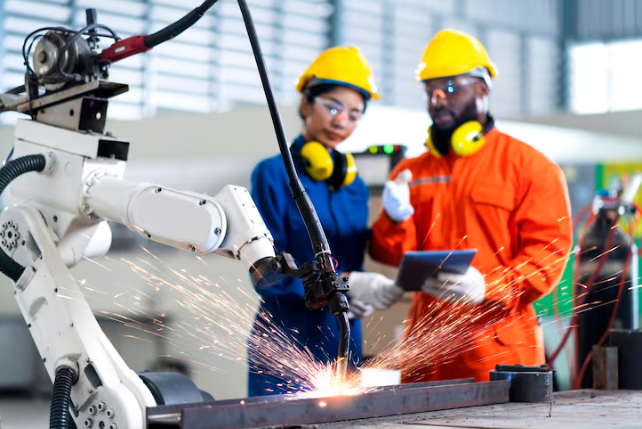
Indian manufacturing is entering a new phase of transformation as businesses adopt connected technologies, automation and data-driven processes. Industry 4.0 is changing how factories operate, but its impact extends beyond production floors. It is also reshaping how manufacturers communicate with customers, manage service requests and deliver support throughout the product lifecycle.
As manufacturing becomes more connected, manufacturing customer experience is becoming increasingly linked to the efficiency of digital operations. Faster responses, better visibility, predictive service and consistent communication are becoming important parts of how customers interact with manufacturers.
From Traditional Operations to Connected Manufacturing
Traditional manufacturing operations often depend on separate systems for production, inventory, logistics, customer service and maintenance. This can make it difficult for teams to access information quickly and provide customers with accurate updates.
Industry 4.0 brings these functions closer together through connected technologies and shared data. Sensors, cloud platforms, analytics and connected enterprise systems can provide businesses with greater visibility across their operations.
This shift allows manufacturers to move from reactive processes toward more proactive operations. For customers, this can translate into better order visibility, faster issue resolution and more reliable communication.
Smart Manufacturing Is Connecting the Factory
Smart manufacturing uses connected machines, industrial IoT, data analytics and intelligent software to improve manufacturing processes. Machines can generate real-time information about production conditions, equipment performance and potential operational issues.
The value of this data extends beyond the factory. When operational information is connected with customer-facing systems, service teams can gain better context when responding to customer queries.
For example, if a customer reports a problem with an industrial product, relevant equipment or service information can help support teams understand the issue more quickly. This can contribute to a more informed and responsive manufacturing customer experience.
Industrial Automation Is Changing Service Expectations
Industrial automation has traditionally focused on improving productivity, quality and consistency within manufacturing environments. However, automated processes can also influence what customers expect from manufacturers.
When production and fulfilment become more automated, customers increasingly expect accurate order information, faster updates and predictable delivery processes. Manufacturers therefore need digital operations that can support these expectations.
Automation can also reduce repetitive administrative tasks. Customer service teams can use automated workflows for activities such as order notifications, service ticket routing and status updates, allowing employees to focus on more complex customer requirements.
Data Is Becoming a Customer Experience Asset
One of the most significant changes brought by Industry 4.0 is the increasing availability of operational data. Manufacturers can collect information from production equipment, supply chains, warehouses and customer interactions.
When this information is properly integrated, businesses can build a more complete view of customer requirements. Data can help identify recurring service issues, delays and product-related concerns.
Analytics can also help manufacturers identify patterns before they become larger problems. This creates opportunities for proactive communication and service, which can strengthen the overall manufacturing customer experience.
Predictive Maintenance Can Improve Customer Support
Connected equipment and predictive analytics are creating new possibilities for manufacturers that provide after-sales services. Instead of waiting for equipment failure, businesses can monitor performance indicators and identify potential maintenance requirements.
This can support more proactive service communication. Customers may receive maintenance recommendations or service notifications before a major operational disruption occurs.
For manufacturers, this approach can improve coordination between technical teams and customer support. It can also create a more continuous relationship with customers after the initial sale.
Digital Operations Need Connected Customer Support
As manufacturing systems become more sophisticated, customer support cannot operate independently from operational data. Service teams need access to relevant information to answer questions about orders, deliveries, products and technical issues.
Digital operations can connect customer service platforms with enterprise resource planning, inventory, logistics and service management systems. This allows employees to access information without moving between disconnected processes.
A connected support model can make interactions more consistent while reducing unnecessary delays. It also enables manufacturers to maintain better visibility across the customer journey.
AI and Automation Can Support Manufacturing Service Teams
Artificial intelligence and automation are becoming increasingly relevant to manufacturing operations. AI-supported tools can help categorise customer requests, identify frequently reported issues and provide service teams with relevant information.
Automation can also handle repetitive customer interactions, such as status updates and frequently asked questions. Human employees can then focus on technical, sensitive or complex situations where judgement and expertise are required.
Companies such as TP India are contributing to the broader evolution of technology-enabled customer operations by combining digital tools with human support. For manufacturers, these capabilities can help connect operational efficiency with more responsive customer service as Industry 4.0 adoption expands.
Preparing for the Next Stage of Manufacturing
The adoption of Industry 4.0 requires manufacturers to look beyond individual technologies. Connecting machines, data, employees and customers is essential for creating value across the wider business.
Manufacturers can begin by identifying disconnected processes, integrating relevant systems and establishing clear data flows between operational and customer-facing teams. They can also use analytics to understand recurring customer issues and identify opportunities for proactive service.
The objective is not simply to automate more processes. It is to create operations that can respond faster, provide better information and adapt to changing customer requirements.
Conclusion
Industry 4.0 is transforming Indian manufacturing by connecting production, data, automation and customer operations. As smart manufacturing and industrial automation become more widespread, digital operations will play an increasingly important role in how manufacturers serve their customers.
A strong manufacturing customer experience depends not only on product quality but also on communication, visibility, responsiveness and ongoing support. By connecting operational intelligence with customer service, Indian manufacturers can build more responsive and digitally enabled customer journeys.
FAQs
1. How is Industry 4.0 changing manufacturing customer experience?
Industry 4.0 connects operational data with customer-facing processes, helping manufacturers provide faster updates, better order visibility, proactive service and more informed support.
2. What is the role of smart manufacturing in digital operations?
Smart manufacturing connects machines, systems and data to provide greater operational visibility. This information can support production decisions as well as customer service and after-sales processes.
3. How does industrial automation affect customer service?
Industrial automation can improve production and fulfilment efficiency while enabling faster and more predictable customer processes. Automated workflows can also support order updates, service requests and routine communications.
4. Can predictive maintenance improve the customer experience?
Yes. Predictive maintenance can help manufacturers identify potential equipment issues earlier and communicate maintenance requirements proactively, potentially reducing unexpected operational disruptions for customers.
5. Why is data important for manufacturing customer experience?
Operational and customer data can help manufacturers understand recurring issues, improve response times and provide service teams with relevant information. When systems are connected, data can support more consistent customer interactions.
