
Most photographers planning a Canadian wildlife trip start with the obvious choices. Banff. Jasper. The Rockies. These are extraordinary places, and for good reason they appear on nearly every shortlist. But there is a part of Canada that rarely makes those lists, where the wildlife is just as compelling, the landscapes are just as dramatic, and the crowds are almost entirely absent. Northern British Columbia does not have a reputation yet. That is precisely what makes it worth paying attention to.
If you have been thinking about a wildlife photography tour that takes you somewhere genuinely off the beaten path, northern BC deserves a closer look. This post covers what the region offers, why fall is the right season to go, what surprises most first-time visitors, and how to make the most of a trip there.
What the North Offers That Better-Known Destinations Don’t
The most immediate difference between northern BC and the more visited parts of Canada is the absence of competition. You are not sharing pullouts with tour buses. You are not waiting for a crowd to clear before you can get a clean shot. The wilderness here is accessed by people who know where to look, and most visitors to the province never get this far north. For wildlife photographers, that translates directly into undisturbed animal behaviour, unhurried time in the field, and the kind of quiet that lets you actually pay attention to what is in front of you.
The Species That Define a Northern Fall
Fall in northern BC brings genuine wildlife activity across multiple species. Grizzly bears are feeding heavily before winter, and the salmon runs draw them to creeks where the fishing is reliable and the photography can be exceptional. Bald eagles gather at the same waterways in numbers that surprise most visitors. Moose are active through the fall season, and Canadian lynx, while never guaranteed, are present in this habitat in a way they simply are not further south. For photographers who have covered the more predictable species in the more predictable places, this is a region that can still produce something new.
The Extras That Make the North Surprising
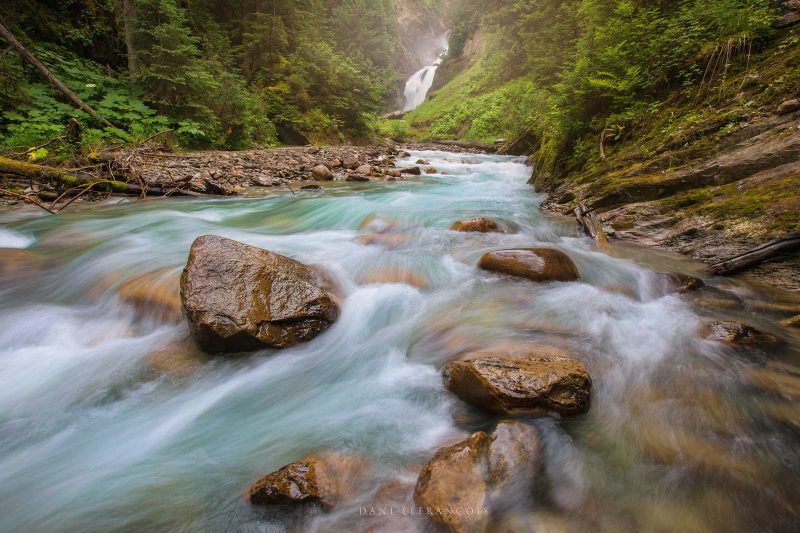
Northern BC sits in dark-sky territory, which means aurora photography is genuinely on the table on clear nights during fall departures. This is not a footnote. Photographers who have never shot the northern lights find it changes what they expect from a trip. The landscape itself also rewards attention beyond the wildlife. River systems, boreal forest, and open terrain give the region a visual character that is distinct from the mountain scenery most people associate with BC. There is more variety here than the shortlists suggest.
The Case for Going With Someone Who Knows the Ground
The challenge with a region this size and this remote is knowing where to go. Northern BC is not set up for independent wildlife photography the way a national park is. There are no interpretive signs, no established viewpoints, no guarantee that the obvious roads lead anywhere useful. Eric Seemann has been working this territory for years, and each wildlife photography tour he creates is built around locations that have proven productive over multiple seasons.
Why the North Rewards the Photographers Who Find It
The places that consistently produce memorable wildlife photography tend to have a few things in common. Low pressure on the animals. Seasonal timing that matches natural behaviour cycles. Access that requires some knowledge or effort to obtain. Northern BC has all three. It will not stay unknown indefinitely, but right now it remains one of the more honest wildlife photography experiences available in Canada, in a region that has not yet been loved to death.
