
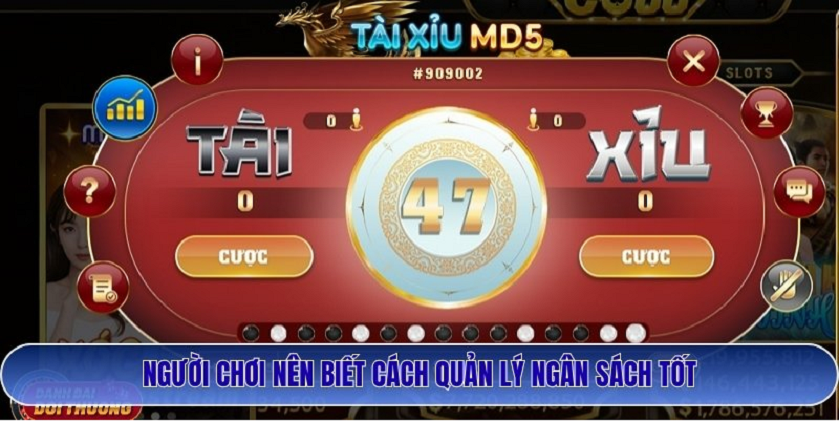
Searching for dice-based digital games can lead to https://iwinnk.co/ but the term MD5 introduces a separate technical issue worth examining.
Tài Xỉu is commonly associated with big-or-small dice outcomes. Some digital products add the label MD5, a reference to a cryptographic hash algorithm. A hash can encode data in a repeatable fingerprint, yet the presence of that algorithm alone does not demonstrate that a game result is fair, unpredictable or protected from manipulation.
A useful review begins with evidence that a reader can actually inspect. Labels, animated displays, and popular claims are less important than transparent rules, understandable controls, and clearly stated limitations. This article looks beneath the surface so unfamiliar terms become easier to evaluate and compare.
First Understand the Dice Component
In common three-dice big-or-small games, the total of the dice determines the normal categories, with specified exceptions for matching triples. A small example shows why the distinction deserves attention. A result of three identical faces may fall numerically within one range while remaining excluded from that ordinary selection under some rules. With a total is still governed by rules, a quick browse may leave the crucial distinction unclear. Establishing what is included and excluded is more useful than accepting a simplified promotional description.
A total is still governed by rules. Read the exact range and exception rules before considering the technical claims made by a digital version. Think about both the usual case and an unusual outcome when reviewing a total is still governed by rules. Edge cases often reveal gaps that a straightforward example leaves hidden. Not every product using Tài Xỉu applies precisely the same presentation or settlement conditions. When financial choices are involved, understanding the process can inform decisions but never eliminate uncertainty or possible losses.
What Is an MD5 Hash?
MD5 turns an input into a fixed-length hexadecimal digest, but it is an old hash function with known security weaknesses including practical collision attacks. One useful way to frame the issue is through an ordinary reader encountering the feature for the first time. Two screenshots showing thirty-two hexadecimal characters may look technical without revealing which input was hashed or when it was chosen. In the context of a fingerprint, not a certificate, appearance cannot replace a clear explanation of the rules. Naming the relevant variables makes it easier to distinguish substance from presentation.
A fingerprint, not a certificate. Ask what data the digest represents and whether the original input can be checked after the result is disclosed. While assessing a fingerprint, not a certificate, separate what is documented from what remains uncertain. This prevents one appealing example from being repeated as a general rule without evidence. MD5 should not be treated as a modern proof of strong cryptographic security merely because the output looks complicated. That is why a claim about a fingerprint, not a certificate should identify the version and assumptions involved. An observation from one setting need not hold in another.
Commitment and Revelation
A commitment system can publish a fingerprint of a hidden value before an event and later reveal information that lets observers check the earlier commitment. The difference becomes easier to appreciate in a concrete situation. If a service posts a hash after a round has ended, that alone tells the reader little about whether the earlier input was fixed in advance. Understanding the verification process matters more than the label requires more than recognising the label. Translating the wording into a specific action, rule or calculation removes an important source of ambiguity.
The verification process matters more than the label
Look for an explicit pre-commitment, a later reveal and clear instructions for independently reproducing the computation. For the verification process matters more than the label, read the relevant terms before drawing conclusions. A lone graphic or isolated figure leaves important conditions unspecified; those missing details should not be filled in by guesswork. Even a matching hash does not automatically establish that the input was selected without bias. In practice, the verification process matters more than the label may be treated differently by different variants, regions or implementations. The published instructions for the specific version therefore remain essential.
Provable Fairness Needs Multiple Pieces
A robust fairness explanation specifies the role of server seed, client seed, nonce and outcome mapping where that scheme is used. Consider how the same feature might be interpreted by someone who sees only a short description. A page might display a seed and hash but fail to explain how the resulting bytes translate into particular dice faces. When examining verification should be reproducible, the useful distinction is between a surface impression and the details a reader can actually verify. Clear terms make that comparison more dependable.
Verification should be reproducible
Check whether a third party can independently reproduce an outcome from all disclosed inputs and the published algorithm. Test the interpretation against a simple hypothetical example. If the wording supports two incompatible readings, seek a more precise definition before relying on it. Fairness depends on the complete protocol and its implementation, not a single cryptographic buzzword. Treat the explanation as a checklist, not a prediction. Conditions can change, while transparent documentation remains more useful than unsupported certainty.
Technical Questions to Ask
- Identify whether the hash was published before the relevant round.
- Check that the hidden input and outcome mapping can be reproduced.
- Remember that MD5 has known security weaknesses.
- Treat independent audits and complete protocols as separate requirements.
Fairness Claims: Term Versus Meaning
| Technical element | What it establishes |
| MD5 digest | A fixed-length hash, not stand-alone proof of fairness. |
| Pre-commitment | Evidence a stated value was fixed before revelation. |
| Revealed seed | An input that may permit independent recomputation. |
| Outcome mapping | A documented method converting inputs into game results. |
Why MD5 Is a Limited Choice

MD5 is no longer recommended for collision-resistant security applications, so technical claims should be proportionate to what the mechanism actually establishes. The practical implications emerge when the label is translated into a real sequence of actions. A verification routine may still use a digest as one reference point, yet it should never rely on MD5 alone to claim broad security guarantees. For known weaknesses affect trust, an accurate comparison relies on the conditions governing the action. A bold slogan or highlighted number alone cannot answer what actually produces a result.
Known weaknesses affect trust. Look for an independent audit, current cryptographic design and documentation about the entire randomisation process. Compare the main display, help material and formal rules for consistency. Contradictory wording deserves attention because even a small omission can change expectations. Technical branding is not equivalent to a tested system or a lawful operator. The goal here is clarity rather than certainty. A short account cannot replace current terms or transform one example into a guaranteed result.
A Reader’s Verification Checklist
To assess a fairness claim, collect the published rules, the commitment timing, the eventual seed disclosure and the exact deterministic mapping method. A small example shows why the distinction deserves attention. Without those elements, copying a visible hash into a calculator may verify text integrity but not explain how a dice outcome was produced. With from displayed text to evidence, a quick browse may leave the crucial distinction unclear. Establishing what is included and excluded is more useful than accepting a simplified promotional description.
From displayed text to evidence. Write down what can actually be reproduced and identify missing steps instead of assuming that a successful comparison answers every question. Think about both the usual case and an unusual outcome when reviewing from displayed text to evidence. Edge cases often reveal gaps that a straightforward example leaves hidden. Even well-implemented verification cannot guarantee that an individual wager will win. When financial choices are involved, understanding the process can inform decisions but never eliminate uncertainty or possible losses.
What an MD5 Label Cannot Prove
The central question is not whether a game displays a long string of technical characters. It is whether the entire process can be explained and independently reproduced with appropriate cryptographic safeguards. Labels such as MD5 require scrutiny, not automatic confidence.
An article on Game Tài Xỉu MD5 should distinguish a visible hash from a verified fairness protocol and clearly state the limits of what each can prove.
