
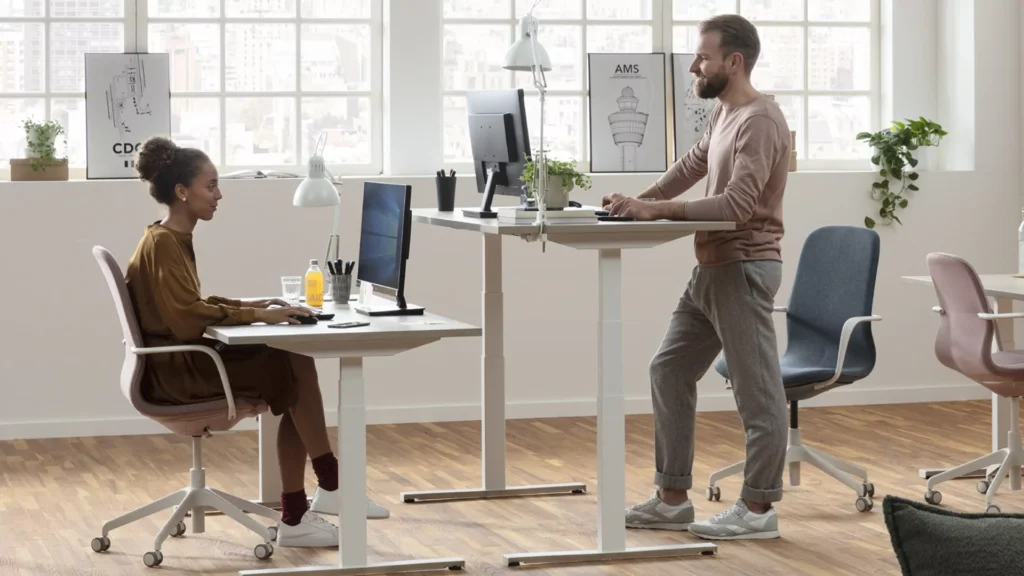
The modern workplace is constantly evolving, and with it comes the need to reconsider office furniture choices. One essential piece of equipment that has gained popularity for its health benefits is the standing desk. Standing desks have been shown to reduce the health risks associated with prolonged sitting, providing an alternative to the traditional office setup.
Benefits of Standing Desks
Standing desks are praised for their ability to promote a healthier lifestyle. They encourage movement, which in turn helps reduce the chances of health issues such as obesity, cardiovascular disease, and diabetes. By using a standing desk, employees can experience a boost in energy and productivity, leading to a more efficient work environment.
Another significant advantage is the potential for alleviating back pain. Many office workers suffer from chronic discomfort due to long hours spent seated. A standing desk can help address this issue by allowing users to alternate between sitting and standing, reducing strain on the back and improving posture.
Types of Standing Desks
There are various types of standing desks available on the market, each with its unique features. Some models offer adjustable heights, enabling users to customise the desk to their preferred level. Others are designed as converters, which can be placed on existing desks to provide the option to stand or sit as needed. It is essential to choose a desk that fits individual needs and office spaces.
Electric Standing Desks
Electric standing desks are a popular option due to their ease of use. With the push of a button, users can transition between sitting and standing positions smoothly. This type of desk is ideal for those who frequently change positions throughout the day.
Manual Standing Desks
For those seeking a more budget-friendly alternative, manual standing desks offer a practical solution. These desks often use a hand-crank mechanism to adjust the height, providing flexibility without the cost associated with electric models.
Choosing the Right Standing Desk
When selecting a standing desk, consider factors such as the available space, the primary user’s height, and the intended use of the desk. Ensuring the desk is ergonomically suited to the user’s needs is crucial for maximising comfort and health benefits. Additionally, it may be worthwhile to test a few options before making a final decision, as personal preferences can significantly impact satisfaction.
Implementing Standing Desks in the Workplace
Introducing standing desks into an office setting requires careful planning. It is advisable to start with a few desks and gradually increase their number based on employee feedback and demand. Providing information on the proper use of standing desks can also help workers transition smoothly and make the most of their new furniture.
Encouraging the use of standing desks can be part of a broader strategy to promote a healthier workplace. Employers may consider offering regular ergonomic assessments and promoting exercises that complement standing desk use.
Additional Accessories for Standing Desks
To enhance the standing desk experience, various accessories can be incorporated. Anti-fatigue mats provide cushioning for the feet, reducing fatigue during long periods of standing. Monitor stands and keyboard trays can help optimise ergonomic alignment, further benefiting the user’s posture while working.
Challenges and Considerations
While standing desks provide numerous advantages, there are challenges to be aware of. Adjusting to standing for extended periods can be demanding, and users may experience initial discomfort. It is important to balance standing and sitting times to avoid strain. Additionally, considering the needs of all employees, including those who may have physical limitations, is essential for a successful integration.
The Future of Office Furniture
As awareness of workplace health and wellness grows, so too does the demand for office furniture solutions like standing desks. Companies are increasingly recognising the benefits of investing in employee health, leading to more widespread adoption of these desks. With ongoing innovation and interest, the options for standing desks and related ergonomic products are expected to expand.
Conclusion
Standing desks represent a shift in how workplaces approach employee health and productivity. By offering a versatile and beneficial alternative to traditional sitting desks, these pieces of furniture can contribute to a more dynamic and health-conscious office environment. As offices evolve, considering the integration of standing desks could be a step towards fostering a healthier and more productive workforce.
