
One Question, Many Answers
Ask an insurance broker what a homeowner’s policy costs and the honest answer is always “it depends.” That is not a dodge. Premiums move with the type of building, its size, its age, and even the materials used to build it. Two people shopping for coverage in the same city can end up with bills that differ by hundreds of dollars a year, and neither one is being overcharged.
Understanding why the number shifts helps buyers budget before they sign anything, instead of being surprised by a quote after the fact.
Condos Carry Their Own Math
A condo owner does not insure the building itself. The condo corporation holds a master policy that covers the structure, common areas, and shared systems like elevators and roofs. What the individual owner buys is a unit policy, sometimes called an HO6, which covers interior finishes, personal belongings, and liability inside the unit.
Because the big-ticket structural risk sits with the corporation, condo unit policies are often cheaper than policies on a detached house. But they are not automatically cheap. Older buildings, buildings with a history of water damage claims, or corporations carrying a high deductible on their master policy can all push an individual owner’s premium higher, since the owner may be on the hook for a share of that deductible if a shared pipe fails.
Townhomes Sit in Between
A freehold townhome is insured more like a detached house: the owner covers the whole structure, not just the interior. A condo townhome, where a corporation manages shared elements like the roof or exterior walls, follows the condo model instead.
This distinction catches people off guard. Two townhomes on the same street can carry different insurance obligations depending on whether they are freehold or part of a condo corporation, and that difference shows up directly in the premium and in what the owner is personally responsible for insuring.
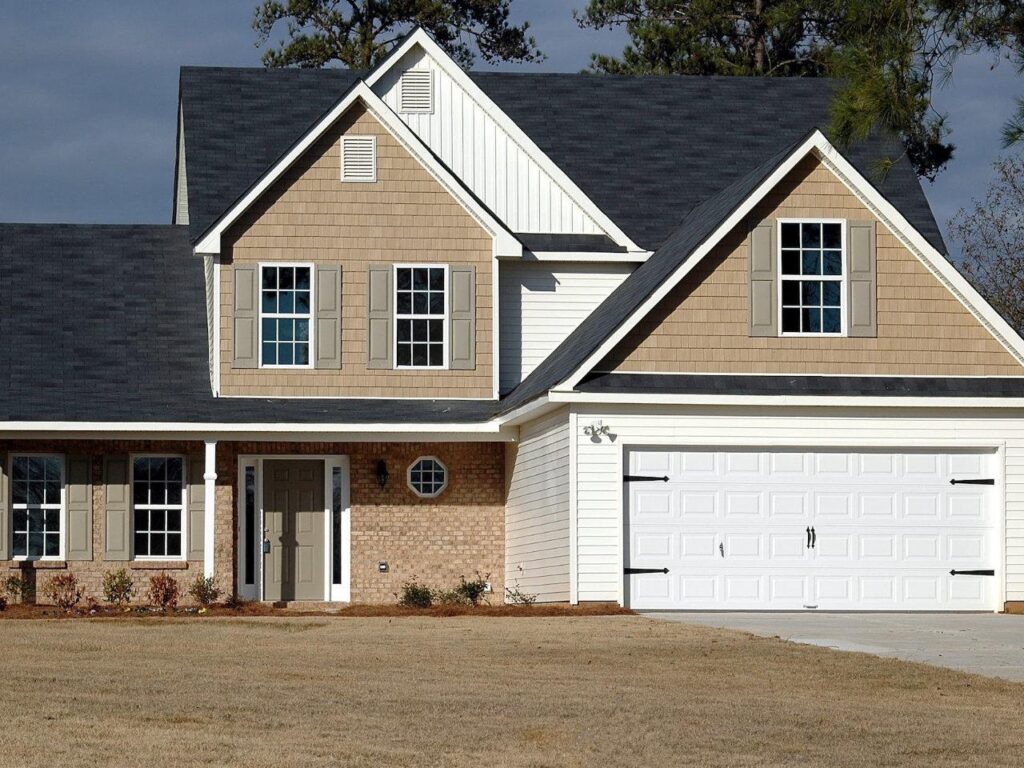
Detached Houses Scale With Square Footage and Age
For a detached home, size is one of the clearest drivers of cost. A larger house costs more to rebuild, so it costs more to insure. Rebuilding cost, not resale value, is what an insurer actually prices against, which is why two homes with similar market prices can carry different premiums if one has more square footage or a more complex roofline.
Age matters almost as much. Older homes often have outdated wiring, plumbing, or heating systems, and insurers price in the higher chance of a claim tied to those systems failing. A house with updated electrical and a newer roof will usually price better than an older home of the same size, even if the two look similar from the street.
Location Changes the Risk Profile
Distance from a fire hall and fire hydrant affects premiums almost everywhere. So does flood risk, which varies block by block more than people expect. A home near a ravine, a floodplain, or an older storm sewer system can see meaningfully higher premiums than a similar home a few streets over, regardless of the size or age of the structure itself.
Crime statistics in the immediate area play a role too, particularly for coverage on belongings and for theft-related claims.
Why This Matters Before You Buy, Not After
Buyers comparing a condo, a townhome, and a detached house are often comparing purchase price and monthly carrying costs, but insurance rarely makes that list until later. Michelle Kam, a real estate broker with Re/Max City Accord Realty Inc. in Toronto, works with buyers moving between condos, townhomes, and detached homes, where the insurance obligations attached to each property type are genuinely different and worth asking about before an offer goes in.
Getting an insurance quote during the conditional period of an offer, rather than after closing, gives a buyer a real number to work with instead of a guess. It also surfaces issues, like a condo corporation’s claims history or a home’s outdated wiring, that might not show up anywhere else in the paperwork.
What to Ask Before You Get a Quote
A few questions make the quote process faster and more accurate. For a condo, ask the corporation for a copy of the master policy and its deductible. For a freehold home, ask when the roof, furnace, and electrical panel were last updated. For any property, ask whether the area has flood or sewer backup history, since that single factor can move a premium more than almost anything else on this list.
None of these questions guarantee a low number. They do guarantee that the number you get reflects the actual property, not a rough estimate based on square footage alone.
