
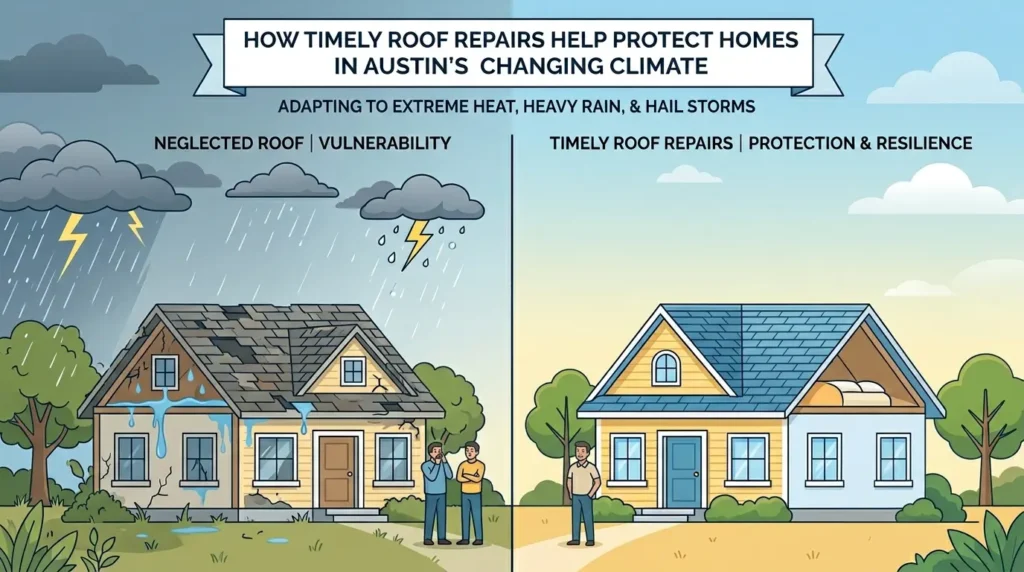
Homeownership comes with ongoing responsibilities, and few are as important as maintaining a durable, reliable roof. In Austin, changing weather patterns, high temperatures, heavy rain, and seasonal storms can place significant stress on residential roofing systems throughout the year. While many homeowners focus on visible exterior upgrades, roofing issues often go unnoticed until water damage or structural concerns begin affecting the interior of the home.
Understanding the importance of timely roof repairs can help homeowners avoid expensive restoration work and extend the lifespan of their roofing system. Small maintenance decisions made early often prevent larger and more disruptive problems later.
Why Austin Weather Creates Roofing Challenges
Austin’s climate presents unique conditions that can accelerate roof wear over time. Long periods of intense sunlight expose shingles and roofing materials to constant ultraviolet radiation, gradually weakening their protective surface. Heat expansion during the day followed by cooler nighttime temperatures can also create stress on roofing components.
Seasonal storms add another layer of concern. Strong winds, hail, and sudden downpours may loosen shingles, damage flashing, or create small openings that allow moisture to enter beneath the roof surface.
Unlike dramatic storm damage that is immediately visible, gradual deterioration is often harder to detect. Moisture can remain trapped beneath roofing materials for extended periods before signs appear inside the home.
Common Roofing Problems Homeowners Overlook
Roof damage does not always announce itself with obvious leaks. In many cases, early warning signs are subtle and easy to ignore.
Some of the most common roofing concerns include:
- Cracked or curling shingles
- Loose flashing around vents and chimneys
- Water stains on ceilings
- Sagging roof sections
- Granule loss in gutters
- Mold or mildew growth in attic spaces
- Poor attic ventilation
Many homeowners assume small issues can wait, but roofing damage often spreads quickly once moisture enters the structure. Delayed repairs may eventually affect insulation, drywall, framing, and even electrical systems.
The Value of Preventative Roof Maintenance
Preventative maintenance remains one of the most effective ways to maximize the lifespan of a roof. Scheduling regular inspections allows homeowners to identify vulnerable areas before significant damage occurs.
Professional inspections can uncover hidden issues such as deteriorating underlayment, weakened decking, blocked ventilation, or minor storm-related damage that may not be visible from ground level.
Routine maintenance may include:
- Replacing damaged shingles
- Cleaning gutters and drainage systems
- Resealing flashing and vents
- Checking attic airflow and insulation
- Removing debris from roof surfaces
- Addressing moisture buildup early
Consistent upkeep often costs far less than major roof restoration or full replacement projects.
Why Roof Ventilation Matters More Than Many Realize
Homeowners often think of roofing systems strictly as exterior protection, but proper ventilation also plays a major role in overall home performance.
Without sufficient airflow, attic temperatures can rise dramatically during Austin summers. Excessive heat trapped beneath the roof may increase cooling costs while accelerating the aging process of roofing materials.
Moisture buildup creates additional concerns. Poor ventilation can contribute to mold growth, wood rot, and insulation damage over time.
A balanced roofing system should support both weather protection and healthy airflow throughout the home. When ventilation is combined with proper insulation, homeowners may experience improved indoor comfort and better energy efficiency year-round.
Storm Damage Should Never Be Ignored
Austin homeowners are no strangers to severe weather events. Even moderate storms can create roofing vulnerabilities that remain hidden until later.
After heavy winds or hail, homeowners should inspect for:
- Missing shingles
- Dented flashing or vents
- Fallen tree branches
- Loose gutters
- Water spots inside the home
- Debris buildup on the roof
One of the challenges with storm-related roofing damage is that problems are not always immediately visible. Small punctures or lifted shingles may gradually allow water intrusion during future rainstorms.
This is why prompt post-storm evaluations are important. Identifying problems early can help prevent long-term structural deterioration.
Choosing the Right Repair Strategy
Every roofing issue requires a different solution depending on the age of the roof, the severity of the damage, and the type of material installed.
In some cases, localized repairs are sufficient to restore protection and extend roof life. In other situations, widespread deterioration may indicate the need for broader restoration planning.
Homeowners should evaluate factors such as:
- The age of the roof
- Frequency of past repairs
- Storm exposure history
- Ventilation efficiency
- Energy performance
- Long-term maintenance costs
Making informed decisions early often prevents repeated patchwork repairs that become more expensive over time.
For property owners researching local solutions and maintenance options, learning more about experienced roof repair specialists in Austin can provide useful guidance on common roofing concerns specific to Central Texas homes.
Questions to Ask Before Hiring a Roofing Contractor
Selecting a roofing professional should involve more than simply comparing prices. The quality of workmanship, communication, and long-term reliability all matter.
Homeowners may benefit from asking the following questions before beginning a project:
How Familiar Are They With Austin Weather Conditions?
Local experience matters because regional climate patterns directly influence roofing performance.
Do They Offer Detailed Inspections?
Thorough evaluations help identify both visible and hidden issues.
What Materials Are Recommended?
Different roofing materials vary in durability, energy efficiency, and storm resistance.
How Is Ventilation Addressed?
Ventilation should be part of the overall roofing strategy, not treated as an afterthought.
Are Repair Recommendations Clearly Explained?
Transparent communication helps homeowners make informed decisions without unnecessary confusion.
Long-Term Benefits of Proactive Roof Care
A well-maintained roof contributes to more than structural protection alone. It can also support:
- Improved energy efficiency
- Better indoor comfort
- Reduced moisture risks
- Increased property value
- Lower long-term maintenance costs
- Greater peace of mind during storm season
Homeowners who take a proactive approach are often better prepared to handle changing weather conditions and avoid emergency repair situations.
Final Thoughts
Roofing systems face constant exposure to heat, storms, moisture, and environmental wear, especially in Austin’s demanding climate. Even small roofing problems can grow into larger structural concerns when left unaddressed.
By prioritizing regular inspections, preventative maintenance, proper ventilation, and timely repairs, homeowners can help extend the life of their roofing system while protecting the overall condition of their property.
Taking action early often leads to better long-term results, lower costs, and fewer unexpected disruptions in the future.
