
A beautiful floor that cannot survive Tuesday is not much use to anyone. Between muddy football boots at the door, a dog that sheds and scratches, dropped toys, and the weekly shuffle of dining chairs, family floors take a punishment that showroom samples never hint at. Durability is therefore not a bonus feature in flooring; it is the feature everything else depends on.
This is the ground where Spc parquet flooring earns its reputation. Its construction, a rigid stone and polymer composite core topped with a printed design layer and a hard wear layer, was developed specifically to resist the dents, scratches, water, and temperature swings that shorten the life of softer floors.
Anatomy of a tough floor
The core is the foundation of the performance. Stone plastic composite is dense and rigid, which means heavy furniture and high heels are far less likely to leave permanent dents than they would in a soft vinyl or a cushioned laminate. That rigidity also supports the click-lock joints, keeping them tight and preventing the edge lifting and gapping that can make a floor look tired long before its surface wears out.
Above the core sits the wear layer, a transparent shield whose thickness largely determines how the floor handles abrasion. A thicker wear layer resists the micro-scratches from grit walked in from the street, the drag of chair legs, and the daily traffic of a hallway. When comparing products, wear layer thickness is one of the most honest specifications you can check, far more meaningful than marketing photographs.
Water, spills, and the realities of kitchens
Water is the enemy that ruins more floors than wear ever does. Timber swells, laminate edges puff, and grout lines stain. SPC boards are waterproof through their whole structure, so a leaking dishwasher, an overturned dog bowl, or a soaked hallway after a rainy school run becomes a mopping job rather than an insurance claim. That single property opens parquet-style flooring to kitchens, utility rooms, and entrance halls that would be off limits to traditional wood parquet.
Scratches, pets, and play
No floor is scratch-proof, and honest retailers say so. But a quality wear layer over a rigid core resists the everyday scuffs of claws, toy cars, and gritty soles remarkably well, and the textured, patterned surface of parquet designs hides minor marks far better than a plain glossy finish would. Felt pads under furniture and a good door mat remain worthwhile habits, but they become precautions rather than desperate measures.
Stability through the seasons
Homes heat up and cool down, and many floors move with those changes, opening gaps in winter and peaking in summer. The stone composite core barely responds to temperature or humidity, which keeps patterned layouts aligned and joints closed all year. That stability also makes SPC a comfortable partner for underfloor heating, provided the manufacturer's temperature limits are respected, because the boards will not warp or shrink away from the warmth.
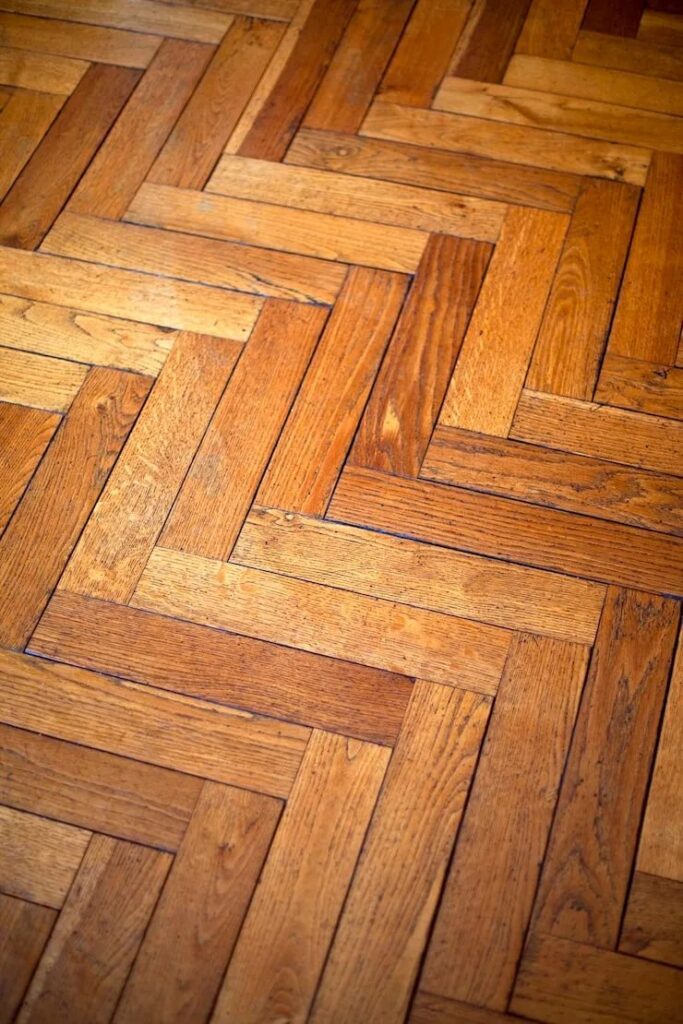
It is worth pausing on what this means for patterned floors in particular. A herringbone or chevron layout is a piece of geometry, and geometry shows every gap. The dimensional stability of Spc parquet flooring protects that investment, keeping points sharp and lines true in a way that softer, more mobile materials struggle to match over the long term.
Care that matches the durability
A tough floor should not demand a fussy routine, and this one does not. Regular sweeping or vacuuming to remove grit, occasional mopping with a mild cleaner, and prompt wiping of standing water around sinks is essentially the whole programme. There is no sanding, no oiling, no resealing, and no annual ritual to dread. For households whose time is already fully committed, that low-maintenance character is as valuable as the toughness itself.
How SPC compares with the alternatives
Set against its rivals, the durability case becomes clearer. Real timber parquet is beautiful but soft enough to dent, sensitive to water, and dependent on periodic sanding and sealing to stay presentable. Laminate resists scratches well but its fibreboard core swells badly when water reaches the joints, and it can feel hollow and noisy underfoot. Sheet vinyl is waterproof and forgiving, yet it dents under heavy furniture and cannot reproduce the crisp geometry of individual parquet pieces. SPC sits in the gap between these options, combining a hard, stable core with a surface that tolerates water, grit, and daily traffic without ceremony.
Cost of ownership tells the same story over time. A floor that needs professional refinishing every few years, or replacement after one serious leak, quickly becomes more expensive than a slightly pricier product that simply carries on. When durability is priced across a decade rather than at the till, stable and waterproof boards usually win the argument comfortably.
Floors are among the most expensive and disruptive elements of a home to replace, so choosing for durability is choosing for peace of mind. Judge products by their core, their wear layer, and their stability rather than by photographs alone, and a floor chosen on those terms will still be serving the household, and still looking composed, long after trendier options have been ripped up.
