
Choosing the right gym footwear depends on the exercises you perform, the surfaces you train on and the support you prefer. Shoes designed for weightlifting often prioritise a firm base, while cardio footwear may focus more on cushioning and repeated movement. Cross-training shoes aim to accommodate a wider range of exercises, including circuits, lateral drills and moderate conditioning work. Although some designs can handle several activities, no single pair is ideal for every workout. Understanding the differences helps you compare features and select footwear that suits your routine.
Explore the gym shoes for men collection to compare available styles for your training needs. Before choosing a pair, consider how much time you spend lifting, running, using cardio equipment or completing mixed sessions. Stability, cushioning, grip and flexibility all affect how footwear feels during exercise. Fit matters just as much because a shoe should hold your foot securely without creating pressure around the toes. A considered choice can help you train comfortably and avoid buying footwear with features you rarely use.
1. Understand Your Main Gym Activities
The first step is to identify the activities that make up most of your gym routine. Resistance training, cardio and circuit workouts place different demands on footwear, so a shoe that feels suitable for one may be less appropriate for another. Strength exercises often benefit from a stable platform, while running and other repetitive movements can require more cushioning. Mixed sessions may need a balance of support, flexibility and traction. Choosing according to your main activities is more useful than relying on a shoe's appearance or general category.
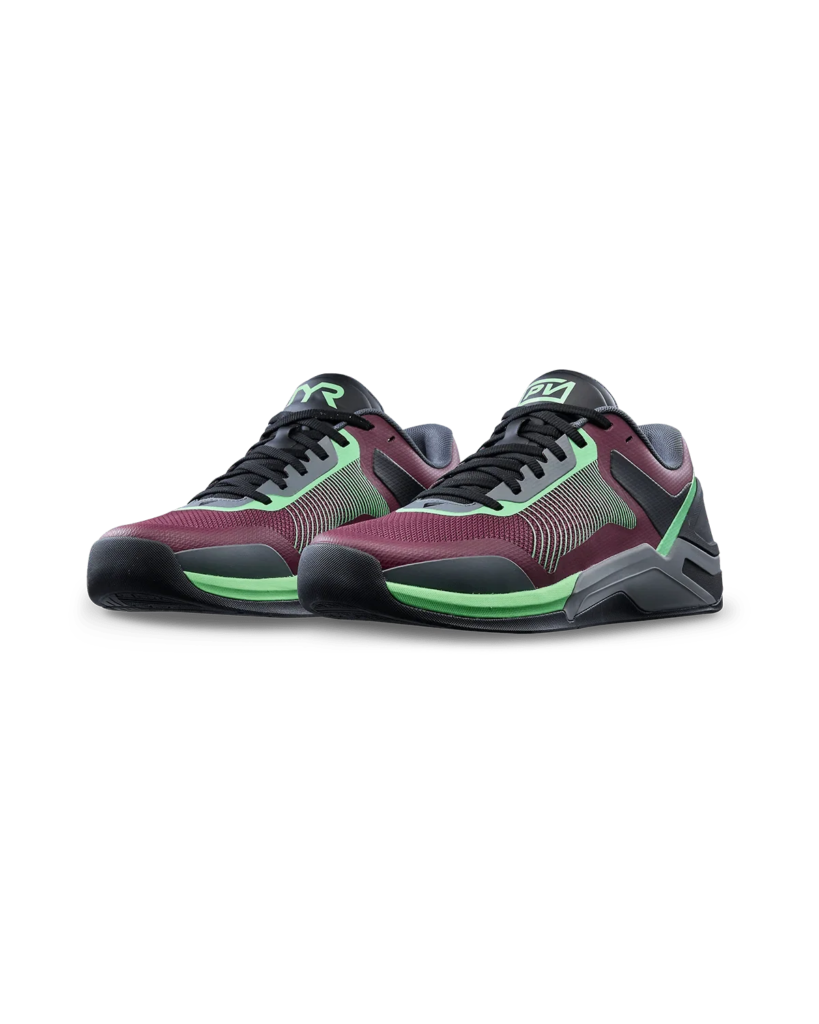
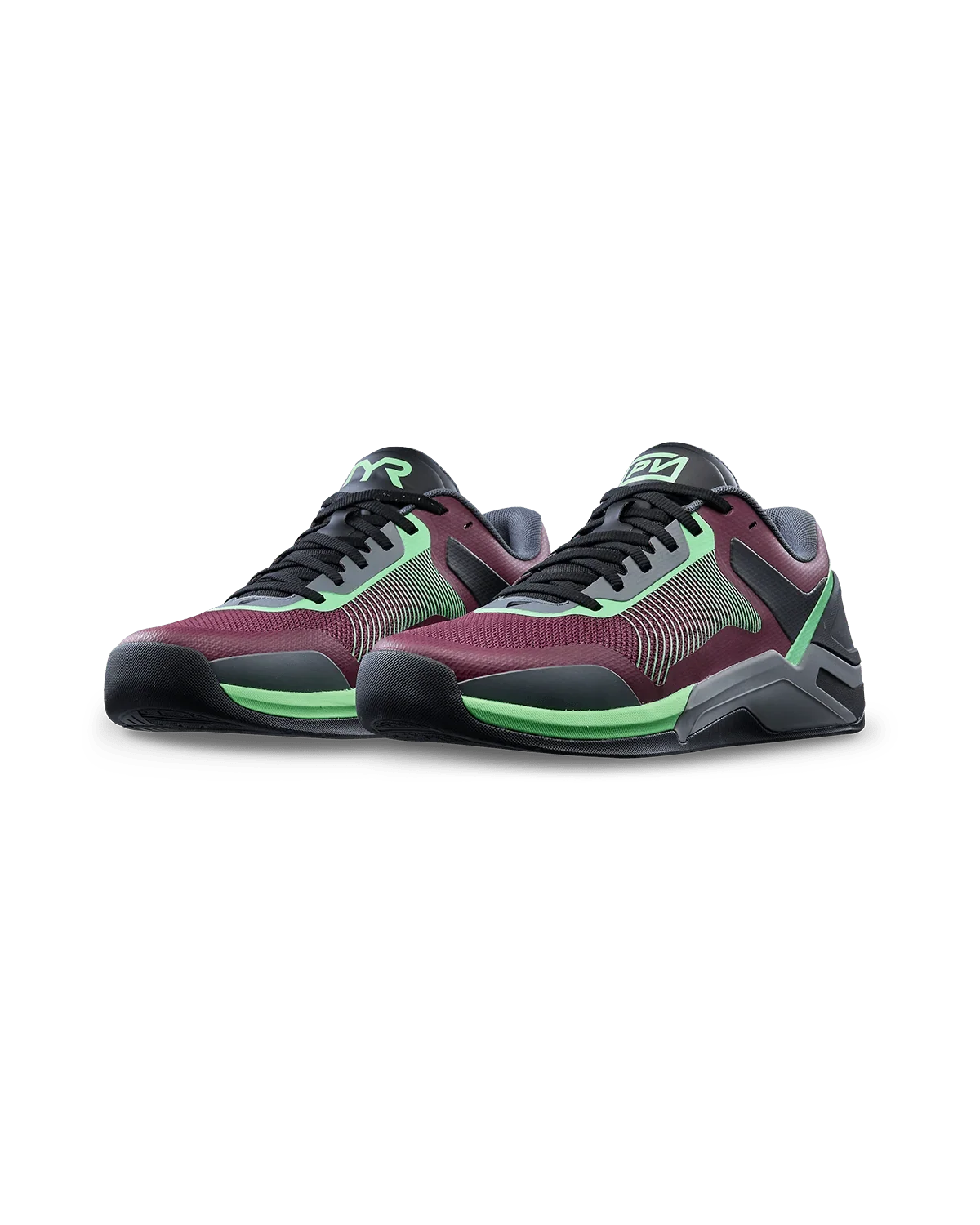
Men's gym trainers come in several designs, from flexible cross-training models to more specialised lifting shoes. General trainers may suit moderate workouts that combine machines, resistance exercises and short conditioning intervals. Dedicated weightlifting shoes can be useful when a firm sole and raised heel suit the lifter's technique. Running shoes are designed around repeated forward movement and may feel less stable during heavy lifting. Review the manufacturer's intended use before deciding whether a particular pair matches your programme.
2. Gym Shoes for Resistance Training
Resistance training includes exercises with free weights, resistance machines and bodyweight movements. Footwear should provide a secure fit and a sole that feels stable during controlled movements. Excessively soft cushioning can compress under load, making some exercises feel less steady than they would in firmer shoes. A structured upper and reliable outsole can also help the foot remain secure during a set. The right design depends on your exercises, lifting technique and personal comfort.
For regular weightlifting, compare the sole firmness, heel construction and fastening system. Some dedicated lifting shoes feature an elevated heel that may help certain athletes reach their preferred squat position. Flatter trainers may suit other strength exercises, depending on the movement and the lifter's technique. Neither design is automatically the right choice for every resistance workout. Consider whether your sessions focus on heavy barbell lifts or combine strength work with a wider range of activities.
3. Choosing Shoes for Cardio Sessions
Cardio workouts can involve treadmills, exercise bikes, rowing machines, stair climbers or other conditioning equipment. Running places repeated impact on the feet, so cushioning and a comfortable fit are important considerations when choosing running footwear. The amount of cushioning you prefer depends on the duration, intensity and surface of your activity. Breathable uppers and secure heel fit may also affect comfort during longer sessions. For treadmill running, choose a shoe designed to accommodate running rather than assuming any gym trainer will provide the same experience.
Not every cardio activity requires the same type of shoe. Cycling on a stationary bike involves different foot movements from running, while rowing and low-impact machine workouts have their own requirements. A general training shoe may be suitable for some of these sessions if it fits well and provides adequate grip. However, running shoes may feel less stable when used for heavy resistance exercises. If cardio is a major part of your programme, prioritise footwear that matches your most frequent activity.
4. Men's Cross-Training Shoes for Circuit Workouts
Circuit training often combines strength exercises, short cardio intervals, jumps and changes of direction. This variety makes cross-training shoes worth considering because they are generally designed to balance several footwear characteristics. Depending on the model, they may provide a firmer base than running shoes, along with enough flexibility for dynamic movements. Lateral support and outsole grip can be useful when a workout involves moving sideways or changing direction. Check the product specifications carefully, as cross-training shoes can vary considerably in construction.
When comparing men's cross-training shoes, look for features that match the movements in your programme. A shoe intended for general fitness may not provide the same cushioning as a dedicated running model or the same rigidity as a weightlifting shoe. The aim is to find a suitable compromise without sacrificing comfort or stability for your main exercises. If your circuits include substantial running or heavy lifting, consider whether separate footwear would better meet those needs. The right decision depends on the balance of activities in your training schedule.
Useful features to compare include:
- Stability: A dependable platform for controlled strength exercises.
- Cushioning: Appropriate underfoot comfort for the impact involved in the session.
- Grip: An outsole suited to the gym floor and planned movements.
- Flexibility: Enough movement for dynamic exercises without feeling unstable.
- Lateral support: A secure fit for drills that involve side-to-side movement.
- Breathability: Upper materials that help manage comfort during demanding sessions.
5. Cushioning, Grip and Flexibility
Cushioning influences how a shoe feels underfoot, but more cushioning is not always better. Running and repeated-impact activities often call for different cushioning characteristics from heavy lifting. A softer midsole may feel comfortable during cardio, yet it can compress under substantial loads. A firmer sole may provide a more stable sensation during strength exercises but feel less forgiving during longer runs. Consider cushioning in relation to your activities rather than choosing the softest or firmest shoe available.
Grip helps maintain contact between the outsole and the training surface. The tread pattern, rubber compound and condition of the floor can all affect traction. A shoe should feel secure during the movements it is designed for, but worn soles or unsuitable surfaces can reduce grip. Flexibility matters too, particularly for workouts involving a range of foot movements. Assess these features together because a shoe needs to balance them according to its intended use.
6. Getting the Right Fit
Even well-designed gym shoes may feel uncomfortable if the size or shape does not suit your feet. The heel should remain secure, while the midfoot should feel supported without excessive pressure. There should also be enough room around the toes to prevent rubbing or compression. Sizing can differ between models, so consult the manufacturer's size guide before ordering. If possible, check the fit while standing and moving in ways that reflect your intended workouts.
Pay attention to the upper material and fastening system as well. Laces allow adjustment across the foot, while the shape of the upper affects how securely the shoe holds your heel and midfoot. A shoe that feels comfortable when standing still may feel different during squats, lunges or lateral movements. Check for pressure points and unwanted movement inside the shoe. If the fit feels wrong, changing size or selecting a different model is preferable to assuming the shoe will become suitable with use.
Use this checklist before buying:
- Identify your main gym activities and training surfaces.
- Check the manufacturer's intended use for the shoe.
- Assess sole firmness and cushioning for your exercises.
- Review outsole grip and lateral support.
- Confirm that the heel and midfoot feel secure.
- Check toe room, sizing guidance and return conditions.
- Compare the price with the features you genuinely need.
7. When One Pair May Not Be Enough
A versatile training shoe can be practical if your workouts combine machines, moderate resistance training and short conditioning sessions. It reduces the need to change footwear between activities and may cover much of a general fitness routine. However, one pair can involve compromises when the programme includes heavy lifting and regular distance running. The cushioning preferred for running may not provide the stable feel you want under a heavy barbell. In these circumstances, separate pairs may be a more suitable long-term choice.
Your wider fitness routine may also include swimming or other activities outside the gym. These sessions call for equipment designed for their specific environment rather than relying on gym footwear for every purpose. For poolside sessions and recreational swimming, you can browse swim trunks for men separately from your gym training kit. Choosing clothing and footwear according to the activity helps keep your equipment practical and fit for purpose. It also makes it easier to assess which items deserve priority when planning a fitness budget.
8. Choosing Footwear for Your Routine
Before making a final decision, compare the features of each shoe with the demands of your regular workouts. Consider how much cushioning you need, whether a firm platform matters and how often your training involves lateral movement. Review the manufacturer's specifications, sizing information and care instructions. If your routine changes frequently, a versatile cross-training shoe may be worth considering, provided its design suits the activities you perform. If one activity dominates your programme, a specialist shoe may offer a closer match.
Product details are useful when comparing individual models. For example, the TYR men's Challenger swim trunks are swimming apparel rather than gym shoes, so their intended purpose differs from athletic trainers. Keeping those categories separate helps you evaluate each item by the features relevant to its use. For footwear, focus on fit, traction, cushioning and stability rather than unrelated product features. This approach makes it easier to choose a pair that meets your training needs without paying for characteristics that offer little value to you.
Conclusion
Choosing gym shoes for men starts with matching footwear to your workout rather than searching for a single design that promises to do everything. Resistance training often benefits from a stable platform, running requires suitable cushioning, and circuit sessions may call for a balance of grip, flexibility and lateral support. Fit should remain a priority across every category, since an uncomfortable shoe can make training less enjoyable. Compare the intended use, construction and sizing guidance before making a decision. Browse TYR's men's trainer collection to review available options, or contact TYR for further product information.
Frequently Asked Questions
1. What are the best gym shoes for men?
The best option depends on your workouts. Cross-training shoes may suit mixed gym sessions, running shoes are designed for running, and weightlifting shoes may be appropriate for certain strength exercises.
2. Can I use running shoes for weightlifting?
Running shoes may be suitable for light gym activities, but softer midsoles can feel less stable under heavy loads. For regular heavy lifting, consider footwear with a firmer sole and a secure fit.
3. Are cross-training shoes suitable for cardio?
They can suit some cardio workouts, including short conditioning intervals. For regular or longer-distance running, a dedicated running shoe may offer features better suited to repeated impact.
4. What features matter most in men's gym trainers?
Fit, grip, stability, cushioning and flexibility are key considerations. Prioritise the features that match your main activities and the surfaces where you train.
5. Should I have separate shoes for lifting and running?
Separate pairs can be useful if you regularly perform heavy lifts and substantial running. Each activity has different footwear requirements, although a versatile training shoe may be sufficient for some mixed routines.
